hardware
HOW TO PROTECT YOUR COMMERCIAL DOORS
Warning Signs to Watch With Your Commercial Doors
What happens when your business door gets used hundreds of times each day? Commercial door hardware, particularly exit devices, faces demands that would destroy residential locks within months. The Builders Hardware Manufacturers Association requires grade one commercial locks to survive 800,000 cycles while resisting 360 pounds of force, standards essential for busy facilities like hospitals and government buildings.
Yet many business owners make a costly mistake. They install cheaper, residential-grade equipment that fails quickly after installation. Commercial spaces operate under strict rules that don’t apply to homes, including Americans with Disabilities Act requirements passed in 1990 to ensure universal building access. Safety codes also ban standard deadbolts in commercial buildings since they could trap people during fires.
Schools and hospitals have different security needs than office buildings or industrial facilities. The gap between a grade 1 lock that handles over a million cycles and a grade 3 light-duty lock rated for just 200,000 cycles can mean the difference between protection and vulnerability. Since 2006, the International Building Code has required panic hardware on exit doors for buildings with 50+ occupants or high-hazard classifications.
Whether you’re checking your current setup or planning new installations, knowing these differences protects your investment and keeps you compliant. Priority Door Systems provides complete door solutions designed specifically for commercial applications.
What Makes Commercial Exit Devices Different?
Commercial and residential door exit devices serve entirely different purposes. Your home’s front door might see a dozen uses per day, but commercial doors handle hundreds or thousands of operations in busy environments.
Higher usage demands and durability
ANSI and BHMA testing standards separate commercial door hardware into distinct grades based on performance. Grade 1 hardware represents the highest quality, designed to function properly after 800,000 cycles of use. These locks use solid metals like stainless steel or brass to resist impact, vandalism, and constant abuse. Grade 2 hardware handles lighter commercial duties while still outperforming anything designed for homes.
The demands tell the story:
- Schools and hospitals see thousands of door operations every single day
- Office buildings need secure access for hundreds of employees
- Retail locations face continuous customer traffic that never stops
Legal compliance: ADA and fire codes
But durability alone isn’t enough. Commercial hardware must meet regulatory standards that don’t exist in residential settings. The Americans with Disabilities Act requires commercial hardware to operate with one hand without tight grasping or wrist twisting. Door hardware must work with no more than 5 pounds of force and sit between 34″ and 48″ above the floor.
Fire safety adds another layer of complexity. NFPA 80 sets minimum standards for fire doors and hardware, requiring self-closing and self-latching functionality. Commercial doors often need UL-listed hardware that meets specific local building codes for fire resistance.
Why residential-grade hardware fails in commercial settings
Grade 3 hardware works fine at home but crumbles under commercial use, handling far fewer cycles than commercial-grade options. When you install residential hardware in commercial settings, manufacturers void warranties due to inappropriate application.
Residential hardware prioritizes appearance over performance, using lighter materials that can’t handle heavy traffic. This leads to frequent failures, higher maintenance costs, and security gaps that put your business at risk.
Priority Door Systems recognizes these critical differences and delivers commercial door solutions built specifically for your business environment’s demanding requirements.
Early Warning Signs Your Hardware May Be Failing
Your doors don’t fail overnight. Most commercial door exit devices give you plenty of warning before it breaks down completely. Recognizing these signals prevents security breaches and saves you from expensive emergency repairs.
Loose or wobbly handles
That wobbly door handle isn’t just annoying—it’s a security risk. Industry experts report that over 62% of door handle failures stem from mounting stress and poor fastening. When your commercial door handle starts wiggling or feeling loose, the internal connections are breaking down.
Loose handles create real problems:

Doors become difficult to operate properly
Progressive damage spreads to the lock or latch mechanism
Security gaps appear when doors don't latch securely
Heavy use naturally loosens screws and fasteners over time. Ignore this early warning and you’ll face complete handle failure, potentially leaving your building unsecured.
Difficulty locking or unlocking
Keys that stick or won’t turn smoothly tell you the lock mechanism is wearing out. You might start by jiggling the key or applying extra force, but this minor inconvenience can escalate to complete lock failure.
Worn internal components allow dirt and debris to accumulate inside the lock cylinder, making operation increasingly difficult. This issue typically worsens until you find yourself locked out or, worse, unable to secure your property.
Unusual noises during operation
Listen when your doors start making noise. Screeching, grinding, scraping, or slamming sounds all point to worn-out or misaligned components. Squeaking usually means excess dirt and moisture affecting moving parts, while rattling sounds indicate loose internal components.
These noises serve as early warnings that something needs attention. Priority Door Systems can identify the exact cause before minor issues become major problems.
Visible rust or corrosion
Rust shows up as reddish-brown corrosion on metal components, especially around hinges and handles. What starts as an unsightly blemish eventually eats away at the metal, compromising your door’s structural integrity.
Watch for operational changes that accompany visual deterioration. Doors that become harder to open or close, make scraping sounds, or don’t seal properly may have hardware affected by corrosion. This weakens metal components, making them easier to break or tamper with.
Regular inspections by Priority Door Systems catch these warning signs before they lead to security breaches or complete hardware failure.
Common Security Risks in Commercial Door Exit Devices
Security gaps in commercial door exit device hide in plain sight until something goes wrong. Many businesses create vulnerabilities through mistakes that seem minor but have serious consequences.
Using outdated lock grades
Commercial locks don’t all provide the same protection. The ANSI/BHMA grading system ranks locks from Grade 1 (highest security) to Grade 3 (residential use). Grade 1 locks must survive over 1 million cycles and resist 360+ pounds of force. Many facilities make the mistake of using Grade 2 or Grade 3 locks that break down quickly under commercial demands.
Here’s what you need for proper protection:
Exterior doors require Grade 1 hardware
Interior doors may use Grade 2 in light-traffic areas
All fire-rated doors need UL-listed hardware meeting specific time ratings
Lack of key control or access logs
Your lock only works if you control who has keys. Most standard keys can be copied despite “Do Not Duplicate” markings. Lost keys or unauthorized copies create serious security holes that you might not discover until it’s too late.
Master key systems with patented, restricted keyways stop unauthorized copying. High-turnover businesses benefit from interchangeable cores that allow quick rekeying without replacing entire locks.
Improper installation or retrofitting
Quality hardware fails when installed incorrectly. Worn components, damaged door frames, and poor installation create openings for unauthorized access. Retrofitting residential locks onto commercial doors usually voids warranties and creates weak points.
Non-compliant exit devices
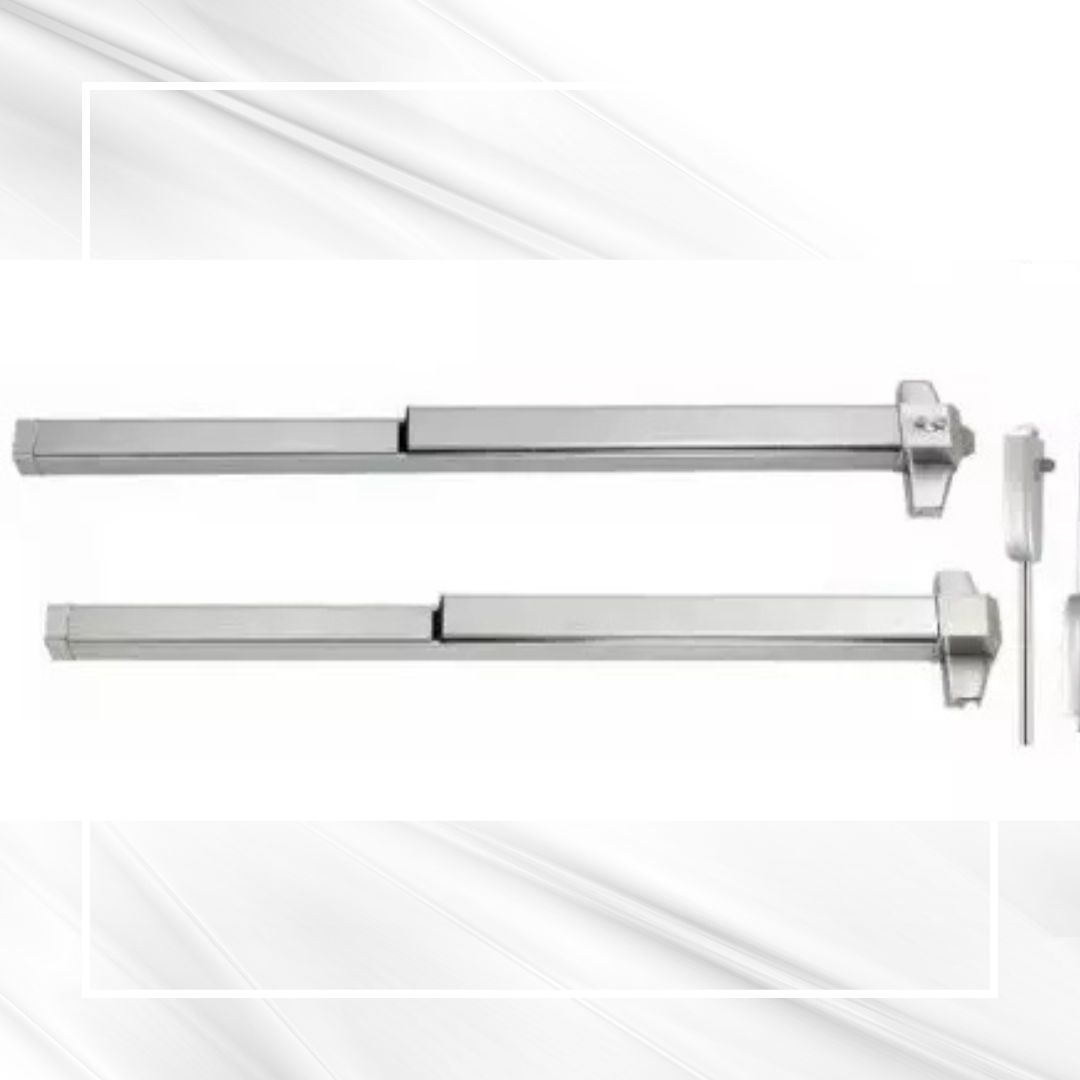
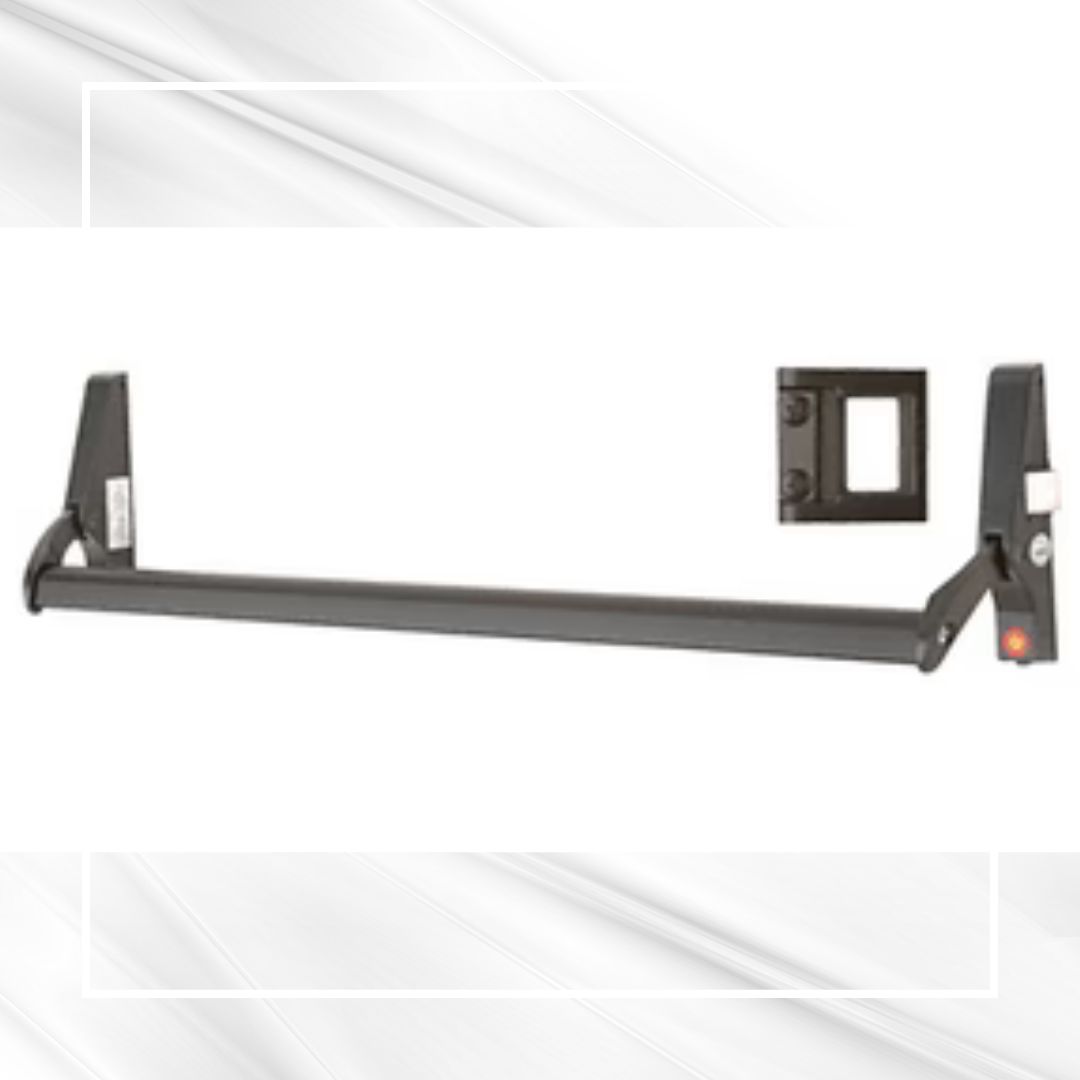
The most dangerous risk involves tampering with exit devices like panic bars or crash bars. Propping open fire doors with wedges or disabling crash bars with tape or zip ties destroys their fire rating and violates building codes. These shortcuts prevent proper latching during emergencies and can cost lives.
Priority Door Systems addresses these vulnerabilities with properly graded hardware and professional installation that meets all safety requirements.
How to Fix or Upgrade Your Commercial Door Exit Device
Your door hardware is showing warning signs, but what should you do about it? The right approach depends on your specific situation and needs. Smart decisions now prevent costly emergencies later.
When to replace vs. repair
Major structural problems call for replacement over repair. Doors with excessive warping, rust penetration, or frequent breakdowns become more cost-effective to replace entirely. When repair costs exceed 50% of replacement costs, installing new hardware makes better financial sense. However, minor cosmetic damage, alignment issues, or hardware malfunctions often need simple repairs that extend your door’s lifespan.
Choosing the right commercial door lock
High-traffic areas demand commercial-grade locksets, exit devices, or door closers for necessary durability. You have several options:
- Mortise locks: Heavy-duty security for schools and government facilities
- Deadbolts: Secondary protection paired with primary locks
- Cylindrical locks: Common in offices and retail spaces, offering easy rekeying
- Keypad locks: Eliminate physical keys for employee entrances
Matching your lock grade to your facility’s specific needs ensures appropriate security without overspending.
Benefits of electronic and smart locks
Electronic locks enhance security through keyless entry options. Smart systems enable remote access management, allowing you to grant or revoke privileges instantly. They create detailed audit trails tracking entry times and personnel, while eliminating security risks of lost keys that can be duplicated despite “Do Not Duplicate” markings.
Hiring a professional for commercial door hardware installation
DIY installation might seem tempting, but professional installation ensures proper functionality and code compliance. Priority Door Systems offers specialized expertise for commercial door hardware installation, guaranteeing that your hardware meets building regulations and manufacturer specifications. Professional installers also provide system maintenance, upgrades, and ongoing support as your security needs evolve.
Your commercial door hardware determines whether your building stays secure or becomes vulnerable. The choice between proper commercial-grade equipment and cheaper residential alternatives affects more than just your budget… It impacts safety, compliance, and long-term costs.
More Services
We maintain, repair, prevent, replace, sell, install, inspect, and service ALL types of doors for Commercial and Industrial businesses.

SERVICE & INSTALL COMMERCIAL DOORS
Priority Door Systems has technicians to service or install all types of commercial and industrial doors. We are available for all businesses from the border to southern Riverside County.
REPAIR, REPLACE & SELL COMMERCIAL HARDWARE
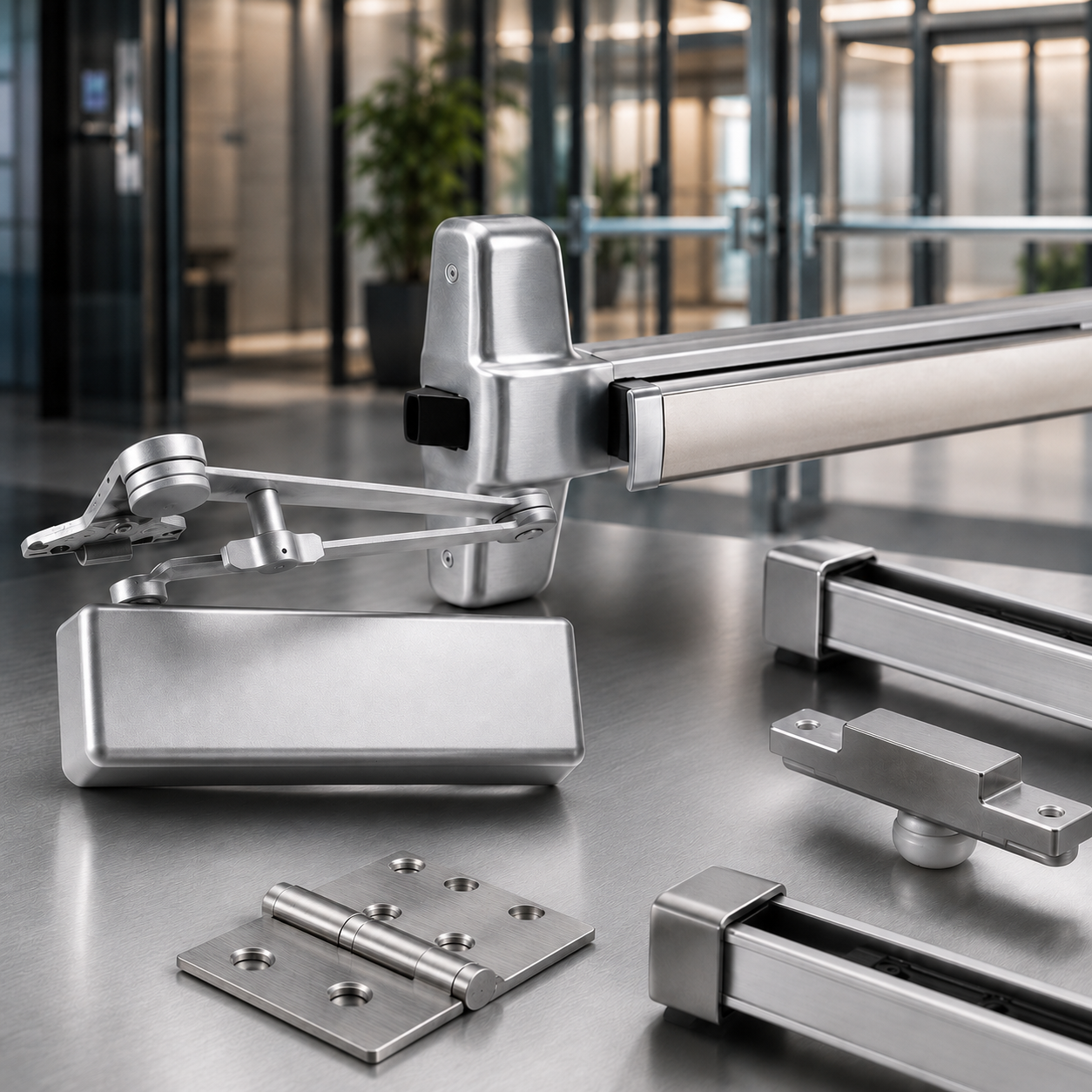
Knowing the hardware that you need can be something easily researched but other times you need a professional to diagnose the problems. Priority Door Systems can help.
PREVENTATIVE MAINTENANCE
Regular inspection and maintenance can improve the reliability of your doors and decrease costs. We help ensure that we can extend the lifespan of all your commercial doors and hardware.