
COMMERCIAL EXIT DEVICES
We combine safety, code compliance, and ease of use to help protect lives and ensure secure, efficient building access every day.
Code-Compliant Safety Solutions for Every Facility
Exit devices, also known as panic bars, crash bars, or push bars, are essential safety mechanisms designed to provide quick and easy egress during an emergency. Mounted horizontally on the inside of outward-opening doors, these spring-loaded bars unlatch the door when pressed, allowing occupants to exit swiftly and safely.
Building codes require public facilities to have a minimum number of fire and emergency exits, and exit devices play a vital role in meeting those standards. Proven to save lives, these systems feature an interior release bar, such as a crossbar or push pad, that retracts the latch bolt when depressed. Many models include a dogging feature that holds the latch open, allowing the door to operate freely during non-emergency hours, and can also be equipped for keyed access from the outside.
At Priority Door Systems, we supply, install, and service high-quality exit devices that enhance safety, meet code requirements, and provide long-term reliability for your commercial facility.
BUILT FOR SAFETY
Secure Exit Devices for every door
Mortise-Style Exit Device
A Mortise-style exit device is an excellent choice for medium to large-size businesses and buildings. The mortise design adds extra security and are less prone to tampering.
Surface/Concealed Device
The Surface/Concealed exit device is the perfect choice for large businesses, especially where extra security as well as aesthetics are crucial.
Rim-Style Device
Rim-style exit devices are a great choice for small businesses in densely-packed areas (i.e. business parks, malls and strip malls.) They are cost efficient and comply with most building codes.
Things to Consider When
Choosing an Exit Device
Selecting the right commercial exit device is essential for ensuring safety, compliance, and ease of use. Here are the key factors to evaluate before making your choice:
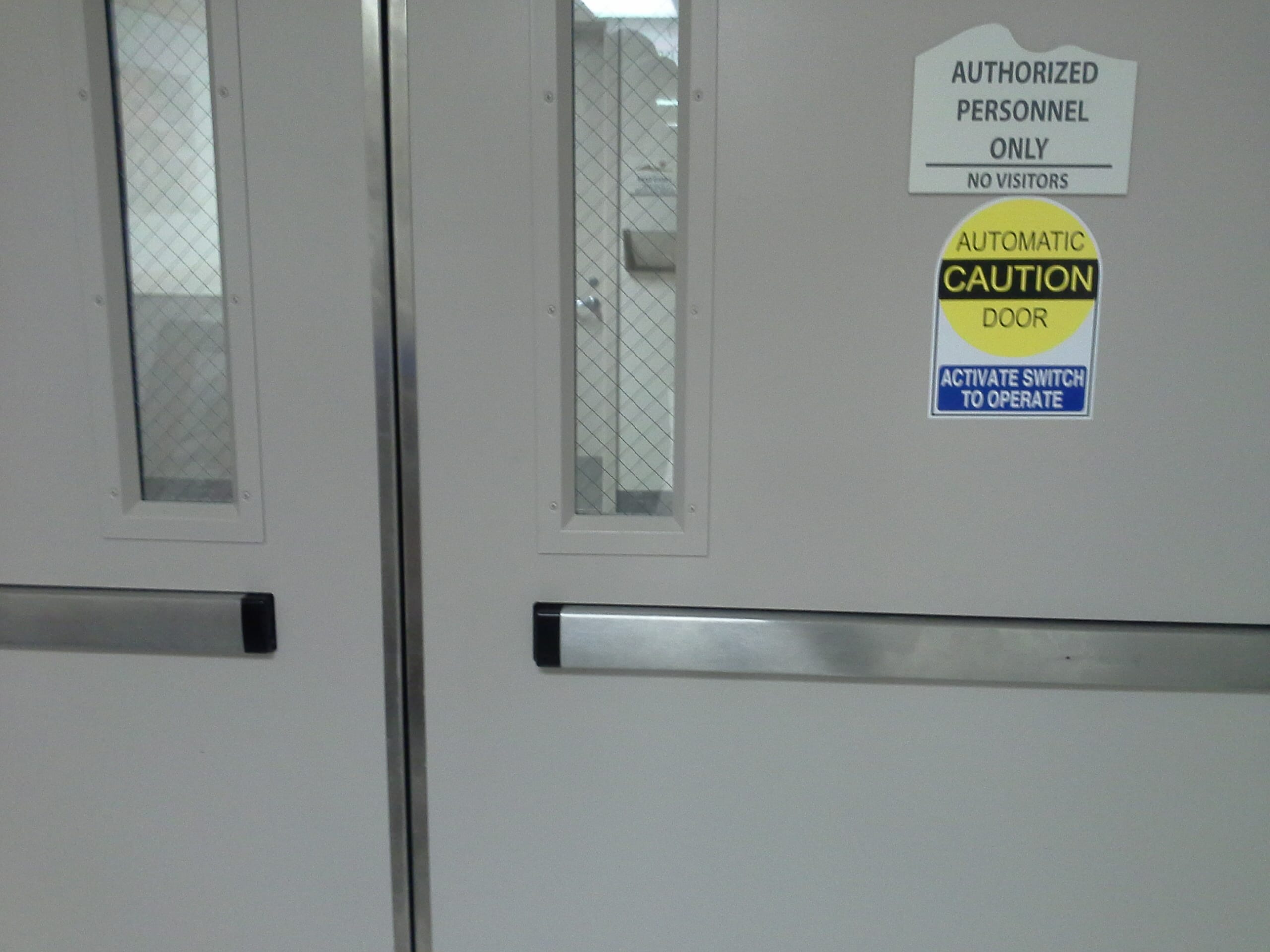
1. Fire Rating and Door Listing
Determine whether your door is fire-rated or non-fire-rated. Exit devices approved for “fire-listed” doors must meet specific fire safety standards for use along emergency exit paths. Choosing the correct device ensures compliance with building and fire codes.
2. Door Stile Width
Next, you must understand the door stile width. A wide or medium stile is used when the vertical member on the latch or pivot side edges will accept narrow, medium, or wide stile devices. A narrow stile, on the other hand, is used when the vertical member on latch or pivot side edges requires use of narrow stile device.
3. Traffic Flow and Usage
Consider how much foot traffic the door will handle and how people move through the space. High-traffic areas such as schools, hospitals, and retail facilities may require heavy-duty or continuous-duty exit devices designed for frequent use and fast egress.
4. Electronic Integration
Modern exit devices often integrate with electronic access control systems. Evaluate your security needs, such as fail-safe exit options, door monitoring, and coordination with fire or smoke control systems, to ensure seamless operation with your building’s safety infrastructure.
5. Accessibility and Compliance
Lastly, you must account for accessibility. A barrier free environment adheres to the ADA and ANSI 117.1 in terms of levers .