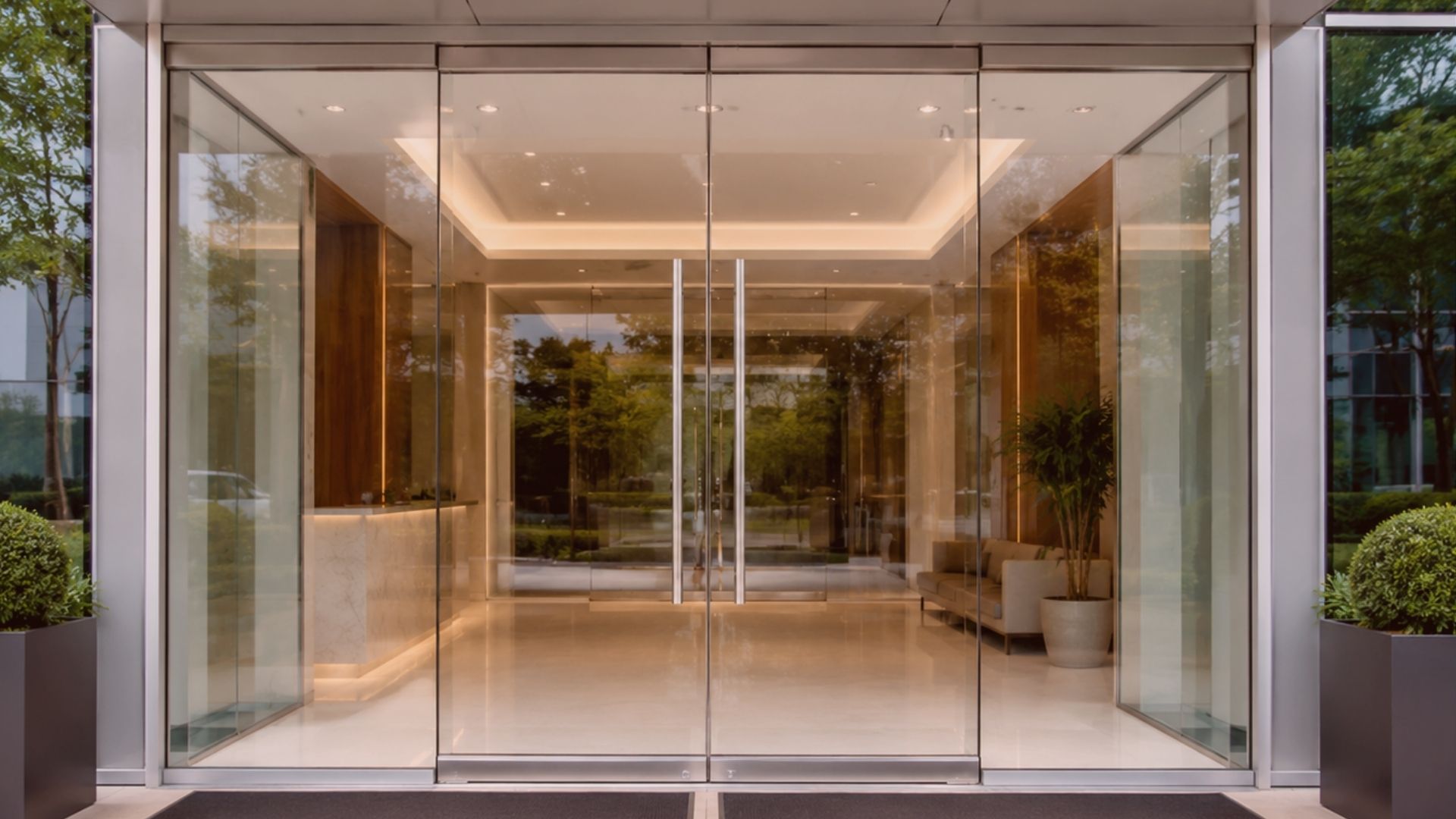
storefront door
Upgrading your commercial door
Quick Answer: When to Replace a Storefront Door?
You should consider replacing your storefront door when the door or frame has significant structural damage. Furthermore, if the door repeatedly becomes misaligned, it no longer closes or locks securely, accessibility has become a concern, or ongoing repairs are becoming frequent and costly.
However, not every problem requires a full replacement. A commercial door technician may only need to replace a worn closer, damaged lock, weatherstripping, or broken glass. Therefore, a professional inspection can help determine whether repair or complete storefront door replacement offers the best long-term solution.
Contact our team at Priority Door Systems if you are interested in replacing your storefront door today.
Should I Repair My Storefront Door Or Replace It?
Because commercial doors often experience significantly more daily use than residential doors, wear can develop gradually. At first, a door may simply become harder to open. Eventually, you may notice dragging, misalignment, problems locking the door, deteriorating hardware, drafts, or damage to the frame.
The question many property owners and facility managers eventually ask is: Should I repair or replace my storefront door?
The answer depends on what is actually causing the problem.
Time to Replace the Storefront Door
Here are the most common warning signs of when you need to replace your storefront door.
1. Your Storefront Door Keeps Sticking or Dragging
A commercial storefront door should open and close smoothly without requiring excessive effort.
If the door consistently:
- Scrapes against the threshold
- Drags along the floor
- Rubs against the frame
- Sticks while opening
- Requires extra force to close
- No longer lines up properly with the latch
there may be an alignment, pivot, hinge, closer, frame, or structural issue.
A single alignment problem can often be corrected. However, when a storefront door repeatedly falls out of alignment even after service, it may indicate that the door or surrounding frame has become worn or distorted.
At that point, continuing to adjust the same door may not provide a long-term solution.
2. The Aluminum Door or Frame Is Bent or Damaged
Many commercial storefront entrances use aluminum framing because it provides a clean appearance while supporting large glass panels.
Aluminum storefront components can still become damaged from years of heavy use, impacts, weather exposure, attempted break-ins, carts, equipment, or repeated stress.
Look for:
- Bent aluminum rails
- Warped door stiles
- Cracks around hardware mounting points
- Loose frame sections
- Separation between components
- Severe corrosion or deterioration
- A door that no longer sits square inside the opening
Minor hardware problems can often be repaired without replacing the entire entrance. Structural damage to the actual door or frame is different.
If the storefront door can no longer reliably support its glass, hardware, locking components, or proper alignment, replacement may be the safer and more practical option.
3. Your Storefront Door No Longer Closes or Locks Securely
Security is one of the most important reasons to address storefront door problems quickly.
Your entrance should close completely and allow locks and latches to engage properly.
Warning signs include:
- The latch does not line up with the strike
- The door must be pushed or lifted before it locks
- The door sometimes remains slightly open
- There is excessive movement when the door is closed
- Locks frequently need adjustment
- The frame around the lock is damaged
- The door does not reliably secure after business hours
Sometimes the problem is simply a worn lock, closer, pivot, or other piece of commercial door hardware.
But if several components are failing because the storefront door itself is badly worn or misaligned, replacement may make more sense than repeatedly replacing individual parts.
4. You Are Constantly Repairing the Same Door
Commercial door repair is often the right choice when a problem is isolated.
A closer can be replaced. A lock can be serviced. Pivots can wear out. Weatherstripping can deteriorate. Glass can sometimes be replaced without replacing the entire entrance.
The situation changes when repairs become a recurring expense.
If your business has had technicians working on the same storefront door several times and new problems continue appearing, evaluate the bigger picture.
Ask:
Are we fixing one failed component, or are we trying to keep an entire worn-out door system operating?
Repeated repairs can sometimes indicate that the door has reached the point where replacement offers better long-term value.
5. The Storefront Glass Is Cracked, Damaged, or Loose
Glass damage is one of the most noticeable storefront problems.
However, damaged glass does not automatically mean you need an entirely new storefront door.
If the aluminum door and surrounding frame remain structurally sound, it may be possible to replace only the glass.
A complete door replacement becomes more likely when glass damage is accompanied by:
- Bent aluminum framing
- Damaged glazing channels
- Loose structural components
- Significant impact damage
- Misalignment
- Multiple failing components
A commercial door professional can inspect the entrance and determine whether glass replacement, door repair, or complete storefront replacement is the better solution.
6. The Door Slams, Closes Too Slowly, or Does Not Close Completely
The door closer controls how a swinging storefront door returns to the closed position.
When something goes wrong, you may notice that the door:
- Slams shut
- Takes too long to close
- Stops before fully closing
- Swings unpredictably
- Becomes difficult to open
- Remains partially open
In many cases, replacing or adjusting the closer may solve the problem.
However, closer problems can sometimes be symptoms of a larger issue. A severely misaligned door, damaged pivot, distorted frame, or worn entrance system can place additional stress on the closer.
If closer problems return even after proper service, the entire storefront door should be evaluated.
7. Your Entrance Has Accessibility Concerns
A storefront entrance should provide convenient access for customers, employees, tenants, and visitors.
Commercial property owners may begin considering door replacement when an older entrance creates accessibility concerns such as:
- Excessive force required to open the door
- Difficult-to-operate hardware
- Improper door movement
- Threshold problems
- Inadequate maneuvering space around the entrance
- A doorway configuration that does not meet the property’s current needs
ADA accessibility involves more than simply installing a new door, so the complete entrance should be evaluated when compliance is a concern.
Depending on the property and entrance, upgrading the storefront door may also create an opportunity to improve hardware, door operation, accessibility, and—in some situations—automatic door capabilities.
8. Drafts, Water, or Outside Air Are Entering Around the Door
Stand near your storefront door when it is closed.
Can you feel noticeable outside air?
Can you see daylight around portions of the door?
Does water enter during rain?
These issues can result from deteriorated weather seals, thresholds, alignment problems, damaged frames, or gaps around the entrance.
Weatherstripping or threshold replacement may correct minor problems.
But if the storefront frame itself is damaged, warped, or no longer properly aligned, replacing the entrance may provide a more complete solution.
9. Your Storefront Door No Longer Fits the Appearance of Your Business
Not every storefront door replacement happens because something is broken.
The entrance is one of the first architectural features customers see when approaching a business.
Property owners may choose to replace an older storefront during:
- Tenant improvements
- Retail renovations
- Office remodels
- Restaurant renovations
- Building modernization projects
- Rebranding
- Commercial property upgrades
A new aluminum and glass storefront door can create a cleaner appearance while giving the property owner an opportunity to upgrade hardware, access control, security, or accessibility at the same time.
Storefront Door Repair vs. Replacement: Which Do You Need?
Not every malfunction requires replacement.
A storefront door may be repairable when:
- The closer needs adjustment or replacement
- A lock or latch has failed
- Weatherstripping is worn
- A pivot or hinge is damaged
- The glass needs replacement but the door remains structurally sound
- The door requires a straightforward alignment correction
Storefront door replacement may be better when:
- The door or frame is structurally damaged
- The aluminum is severely bent or distorted
- The entrance repeatedly becomes misaligned
- Multiple major components are failing
- The door cannot be secured reliably
- Repairs are becoming increasingly frequent
- The entrance no longer meets the property’s functional needs
- A major renovation or accessibility upgrade is planned
The best decision should be based on the condition of the entire storefront entrance, not just the most obvious symptom.
Causes of Storefront Door Issues
There is no single lifespan for every storefront door.
A lightly used office entrance experiences very different conditions from the entrance to a busy retail store, restaurant, medical facility, school, or commercial building.
Factors that affect storefront door condition include:
- Daily opening and closing cycles
- Customer and employee traffic
- Exposure to weather
- Door size and weight
- Quality of the original installation
- Hardware quality
- Maintenance frequency
- Accidental impacts
- Building movement or settling
- Environmental conditions
- Security incidents
Regular preventative maintenance can help identify small issues before they place additional stress on other parts of the entrance.
Get Your Storefront Door Inspected by Priority Door Systems
If you are unsure whether your storefront door needs repair or replacement, start with a professional inspection.
Priority Door Systems can evaluate the condition of your commercial entrance, including the door, aluminum frame, glass, closer, pivots, locks, thresholds, and other hardware.
Instead of replacing an entire storefront unnecessarily, the goal should be to identify what is actually failing and determine the most practical long-term solution for the property.
Whether your storefront door is dragging, difficult to lock, damaged, outdated, or simply no longer performing reliably, Priority Door Systems can help you determine the appropriate next step.
Frequently Asked Questions
How do I know if my storefront door needs to be replaced?
Common signs include repeated misalignment, dragging, structural frame damage, difficulty locking, multiple failing hardware components, recurring repairs, and an entrance that no longer operates safely or reliably. A professional inspection can determine whether the problem can be repaired or whether full storefront door replacement makes more sense.
Can I replace only the glass in a storefront door?
Yes, in many situations. If the aluminum door and frame are still structurally sound, damaged storefront glass may be replaced without replacing the entire door. If the frame or door was also damaged during the impact, additional repairs or replacement may be necessary.
Does Priority Door Systems serve fire stations outside the City of San Diego?
Yes. We serve fire stations and municipal facilities throughout San Diego County and Southern Riverside County.
Should I repair or replace an aluminum storefront door?
Repair is usually worth considering when the problem involves one serviceable component, such as a closer, lock, pivot, weather seal, or glass panel. Replacement becomes more practical when the aluminum frame or door structure is significantly damaged, several components are failing, or the same problems repeatedly return.
How much does storefront door replacement cost?
Storefront door replacement costs vary because commercial entrances are not all the same. Pricing depends on door dimensions, aluminum framing, glass type, hardware, locking systems, access control, automatic operators, installation requirements, and the condition of the existing opening. An on-site evaluation is usually the best way to receive an accurate estimate.
Can a new storefront door improve accessibility and security?
Yes. Replacing an older storefront door creates an opportunity to improve door operation, commercial hardware, locks, access control, thresholds, and other entrance components. If ADA accessibility is a concern, the complete entrance should be evaluated because accessibility requirements involve the overall doorway configuration and operation, not simply the door itself.
Ready to Update Your Storefront Door?
Need help with a commercial storefront door? Contact Priority Door Systems to schedule an evaluation for your property in San Diego County or Southern Riverside County.
More Services
We maintain, repair, prevent, replace, sell, install, inspect, and service ALL types of doors for Commercial and Industrial businesses.

SERVICE & INSTALL COMMERCIAL DOORS
Priority Door Systems has technicians to service or install all types of commercial and industrial doors. We are available for all businesses from the border to southern Riverside County.
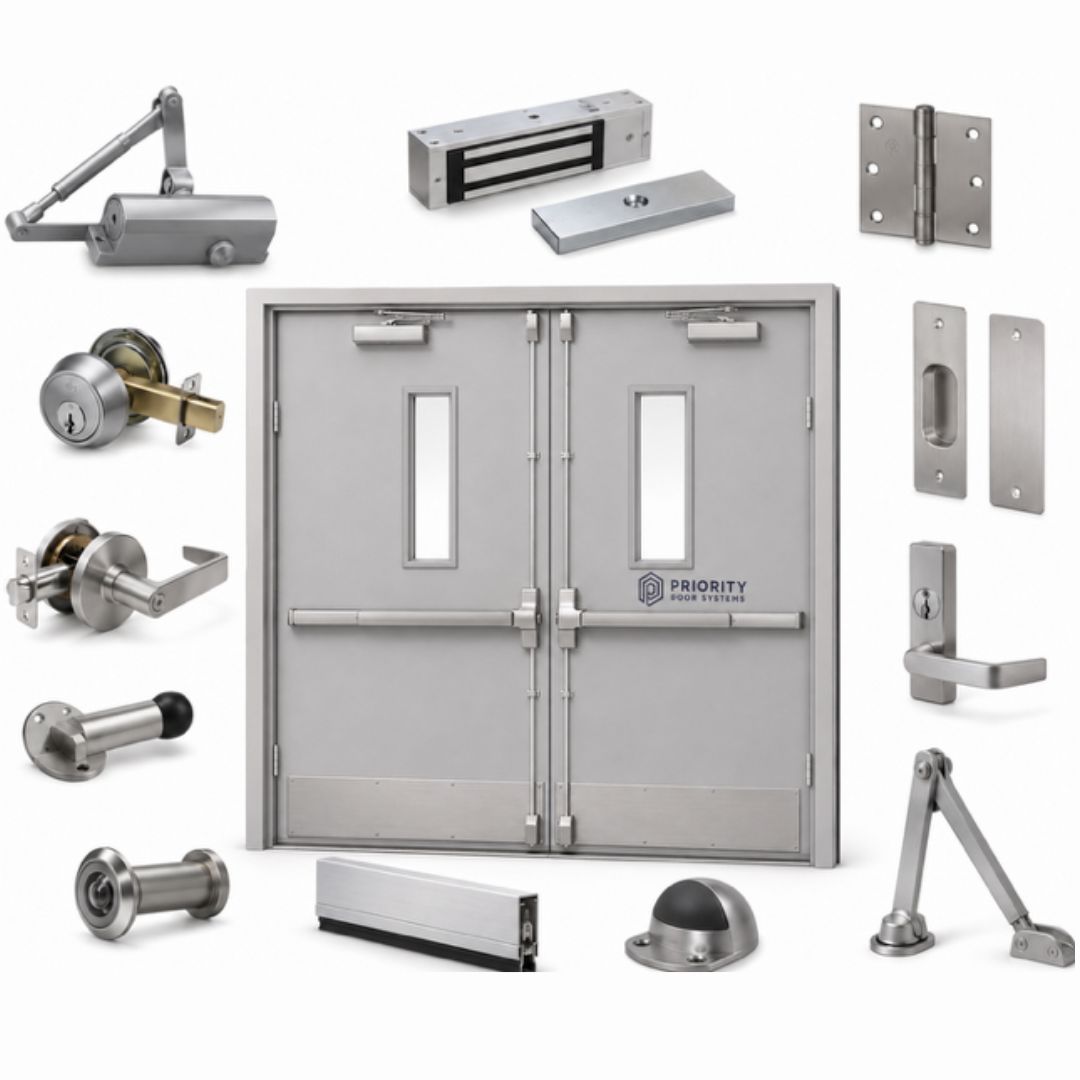
REPAIR, REPLACE & SELL COMMERCIAL HARDWARE
Knowing the hardware that you need can be something easily researched but other times you need a professional to diagnose the problems. Priority Door Systems can help.
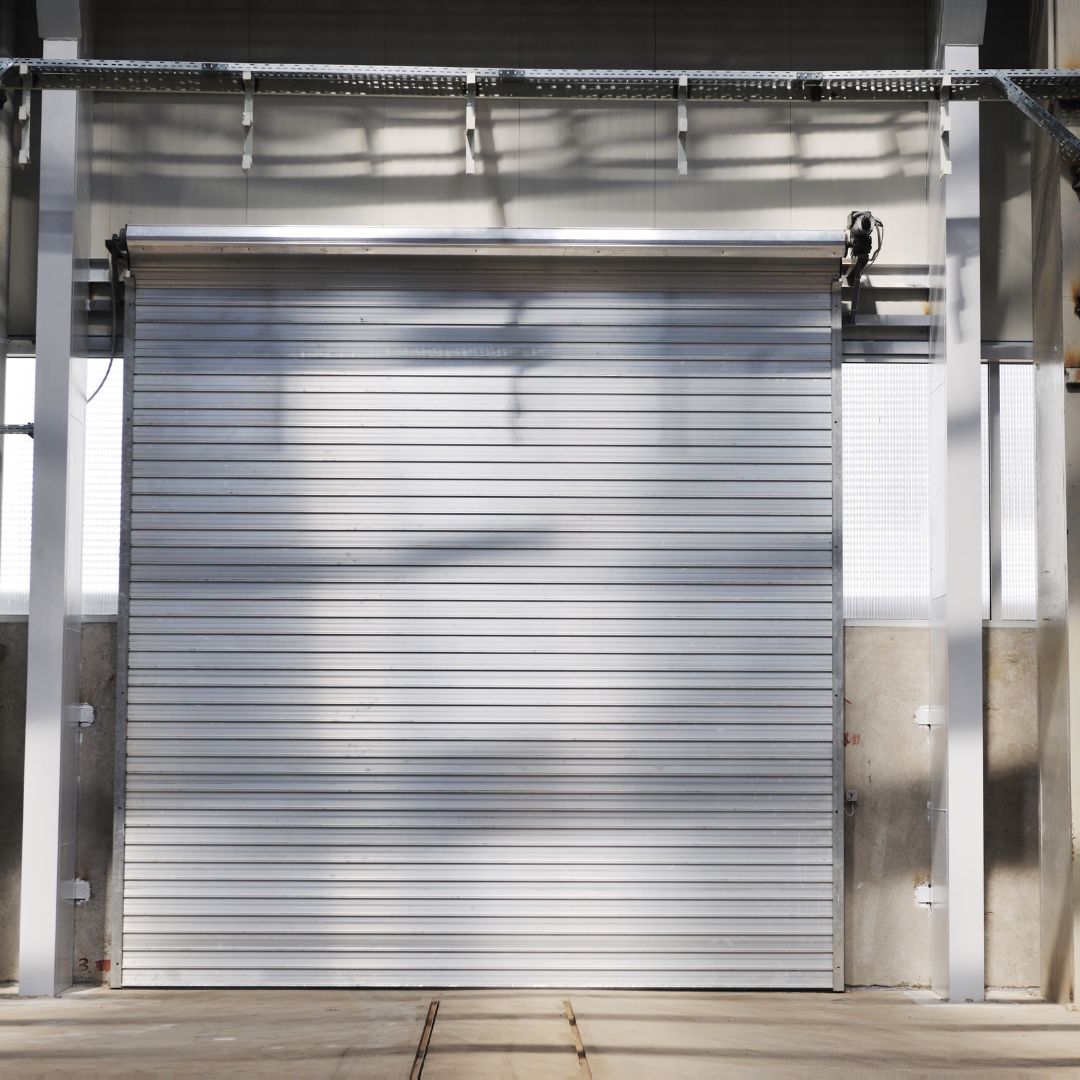
PREVENTATIVE MAINTENANCE
Regular inspection and maintenance can improve the reliability of your doors and decrease costs. We help ensure that we can extend the lifespan of all your commercial doors and hardware.