storefront door
Upgrading your commercial door
Quick Answer: Why Is My Automatic Door Not Opening?
An automatic door may fail to open because of dirty or misaligned sensors, power problems, incorrect control settings, damaged door hardware, track or alignment issues, worn automatic door components, or a safety system fault. If the door repeatedly fails to activate, opens inconsistently, or requires manual force, a qualified automatic door technician should inspect the system.
For commercial properties, regular automatic door maintenance can help identify developing problems before they result in a complete door failure.
Frequently Asked Questions
Why is my automatic door not opening when I approach it?
The problem may involve the activation sensor, power supply, control settings, door alignment, safety system, or automatic door operator. If the problem happens repeatedly, the door should be professionally inspected.
Can a dirty sensor stop an automatic door from opening?
Yes. Dirt, debris, obstructions, or sensor misalignment can interfere with the system’s ability to detect someone approaching the entrance.
Should I force an automatic door open if it stops working?
It is generally better not to force a malfunctioning automatic door. Excessive force may damage the operator, door hardware, or other components. If manual operation is required, follow the manufacturer’s operating procedures and arrange for service.
How often should automatic commercial doors be serviced?
Service frequency depends on the door type, usage level, environment, and manufacturer requirements. High-traffic automatic doors may require more frequent inspections and preventative maintenance than doors that receive limited daily use.
Can an automatic door be repaired without replacing the entire door?
Yes. Many automatic door problems can be corrected by adjusting or replacing sensors, operators, controls, rollers, hardware, or other components. A technician can determine whether repair or replacement is the more practical option.
Why does my automatic door work sometimes but not others?
Intermittent automatic door problems may be caused by sensor issues, loose wiring, worn components, alignment problems, control faults, or a developing operator issue. Intermittent failures are worth inspecting before the door stops working completely.
Who repairs automatic commercial doors in San Diego?
Priority Door Systems provides automatic door repair and maintenance for commercial properties throughout San Diego and Southern Riverside County. Property managers and building owners can call 760-233-5037 to schedule service.
Automatic Door Not Opening?
Automatic doors are designed to provide safe, convenient, and accessible entry for customers, employees, patients, tenants, and visitors. When an automatic door suddenly stops opening, however, it can quickly become more than an inconvenience. A malfunctioning automatic door may interrupt business operations, create accessibility concerns, affect security, and make it harder for people to enter or exit a commercial property.
For property managers, facility managers, and commercial building owners, the key is knowing when an automatic door problem is simple and when professional automatic door repair is needed.
Below are seven of the most common reasons an automatic door is not opening, along with signs that the system should be professionally inspected.
7 Common Causes of Automatic Door Not Opening
1. The Automatic Door Sensor Is Dirty or Misaligned
One of the most common automatic door problems involves the activation or safety sensors.
Automatic doors rely on sensors to detect when someone approaches the entrance. If a sensor becomes dirty, obstructed, damaged, or misaligned, the door may fail to recognize someone standing in front of it.
Dust, debris, moisture, stickers, decorations, construction materials, or even changes around the entrance can interfere with sensor performance.
Signs of a sensor problem may include the automatic door working only occasionally, failing to open from certain directions, or requiring someone to stand unusually close before it activates.
Facility managers should avoid attempting major sensor adjustments without proper training. Automatic door sensors are part of the overall safety system, so incorrect adjustments can affect how the door responds to pedestrians and obstructions.
2. The Automatic Door Has Lost Power
Automatic doors depend on electrical power to operate the door operator, sensors, controls, and other components.
A power interruption can therefore cause the automatic door to stop opening entirely.
The issue may be related to a tripped circuit breaker, disconnected power supply, damaged wiring, power switch, or another electrical problem within the automatic door system.
If multiple automatic doors in the same area stop working simultaneously, checking whether there has been a building-wide power issue may be a useful first step.
If only one automatic door is affected, the problem may be localized to that particular entrance.
Because commercial automatic door systems combine electrical and mechanical components, electrical troubleshooting should generally be handled by a qualified technician.
3. The Door Is Set to the Wrong Operating Mode
Many commercial automatic doors include controls that allow the building operator to change how the entrance functions.
Depending on the system, the door may have settings such as automatic, open, closed, one-way traffic, or manual operation.
Sometimes an automatic door that appears to be malfunctioning has simply been placed into the wrong mode.
This can happen after cleaning, maintenance, closing procedures, security changes, or after someone accidentally changes the control switch.
Before assuming that the automatic door needs repair, property staff can check whether the operating mode has been changed.
However, if the system repeatedly changes modes, fails to respond to the controls, or does not operate correctly when placed in automatic mode, professional service may be necessary.
4. The Door Is Dragging, Binding, or Out of Alignment
An automatic door operator can only work correctly when the door itself moves freely.
If the door is rubbing against the frame, dragging on the floor, binding along the track, or sitting out of alignment, the automatic operator may struggle to open it.
This is especially important for high-traffic commercial entrances where doors may cycle hundreds or thousands of times over time.
Door alignment problems can develop because of worn rollers, loose hardware, damaged hinges or pivots, building movement, impact damage, or general wear.
If an automatic door begins moving slowly, making unusual noises, stopping partway through its opening cycle, or failing to open completely, alignment should be inspected.
Continuing to operate a misaligned automatic door may place additional strain on the operator and other components.
5. Automatic Door Components Are Worn or Damaged
Automatic door systems contain numerous moving parts that wear over time.
Depending on the type of automatic door, the system may include motors, belts, rollers, gears, pivots, operators, control boards, wiring, sensors, tracks, and other specialized components.
Normal wear does not necessarily mean the entire automatic door needs to be replaced.
In many cases, replacing or adjusting individual components can restore reliable operation.
However, ignoring worn components can cause additional strain on the system and potentially lead to a more expensive automatic door repair later.
This is one reason scheduled automatic door preventative maintenance is valuable for commercial properties.
Routine inspections allow technicians to identify wear before the entrance completely stops operating.
6. A Safety System Is Preventing the Door From Opening
Automatic doors contain safety features designed to help protect pedestrians.
If the control system detects a problem with a safety sensor or another component, it may limit or stop automatic operation.
From the property manager’s perspective, the door may appear to simply refuse to open.
In reality, the system may be responding to a detected fault.
This type of issue should not be bypassed just to restore door operation.
Safety systems are an essential part of automatic commercial doors, particularly in high-traffic locations such as hospitals, retail stores, hotels, offices, government buildings, and other public facilities.
A qualified automatic door technician can inspect the system, determine why the safety function was triggered, and correct the underlying issue.
7. The Automatic Door Operator Is Failing
The automatic door operator is responsible for providing the mechanical force needed to open and close the door.
Like any mechanical or electrical equipment, operators can eventually wear out or develop internal problems.
Signs of a failing automatic door operator may include slower operation, inconsistent opening, unusual noises, intermittent failures, jerking movements, or the door stopping during its travel.
A technician can determine whether the operator needs adjustment, repair, component replacement, or complete replacement.
Replacing an operator does not necessarily mean replacing the entire commercial door system. In many cases, the existing door and frame can remain in place if they are still in good condition.
Why Automatic Door Maintenance Matters
Waiting until an automatic door completely stops working can create unnecessary disruption.
For property managers and commercial building owners, automatic doors often serve as primary entrances. A failed entrance can affect accessibility, customer experience, employee traffic, and daily operations.
Regular automatic door maintenance can help identify issues involving sensor performance, door alignment, moving components, hardware, controls, and operator performance.
Preventative maintenance can also make repair costs more predictable and reduce the likelihood of unexpected service calls.
For properties with several automatic doors or multiple buildings, scheduled maintenance can be particularly helpful because technicians can inspect several openings during a planned visit.
When Should You Call for Automatic Door Repair?
If an automatic door stops opening once and begins working again, it may be tempting to ignore the problem.
Intermittent failures, however, can be an early sign that a component is beginning to fail.
A professional inspection is recommended when an automatic door repeatedly fails to activate, opens only sometimes, moves unusually slowly, makes new noises, stops before fully opening, requires manual assistance, or displays inconsistent sensor behavior.
It is also a good idea to schedule service if the automatic door has not been professionally inspected or maintained for an extended period.
Automatic Door Repair and Maintenance in San Diego
Priority Door Systems provides automatic door repair, maintenance, inspection, adjustment, and installation for commercial properties throughout San Diego and Southern Riverside County.
We work with property managers, facility managers, commercial building owners, healthcare facilities, retail properties, offices, industrial facilities, and other businesses that depend on reliable commercial entrances.
If your automatic door is not opening, operating inconsistently, or showing signs of wear, addressing the issue early may help prevent a larger failure.
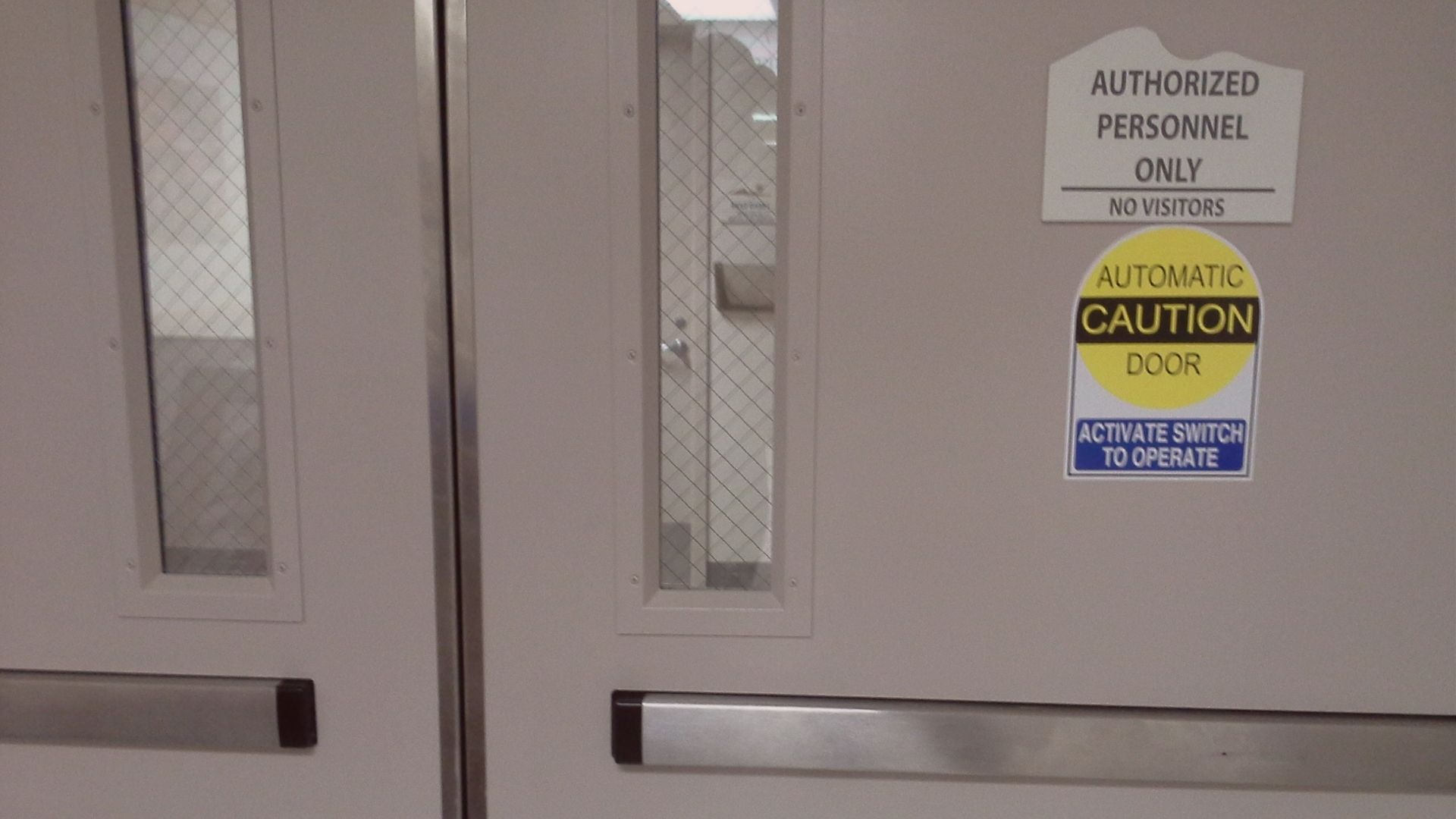
Ready to Update Your Storefront Door?
Need help with a commercial storefront door? Contact Priority Door Systems to schedule an evaluation for your property in San Diego County or Southern Riverside County.
More Services
We maintain, repair, prevent, replace, sell, install, inspect, and service ALL types of doors for Commercial and Industrial businesses.

SERVICE & INSTALL COMMERCIAL DOORS
Priority Door Systems has technicians to service or install all types of commercial and industrial doors. We are available for all businesses from the border to southern Riverside County.
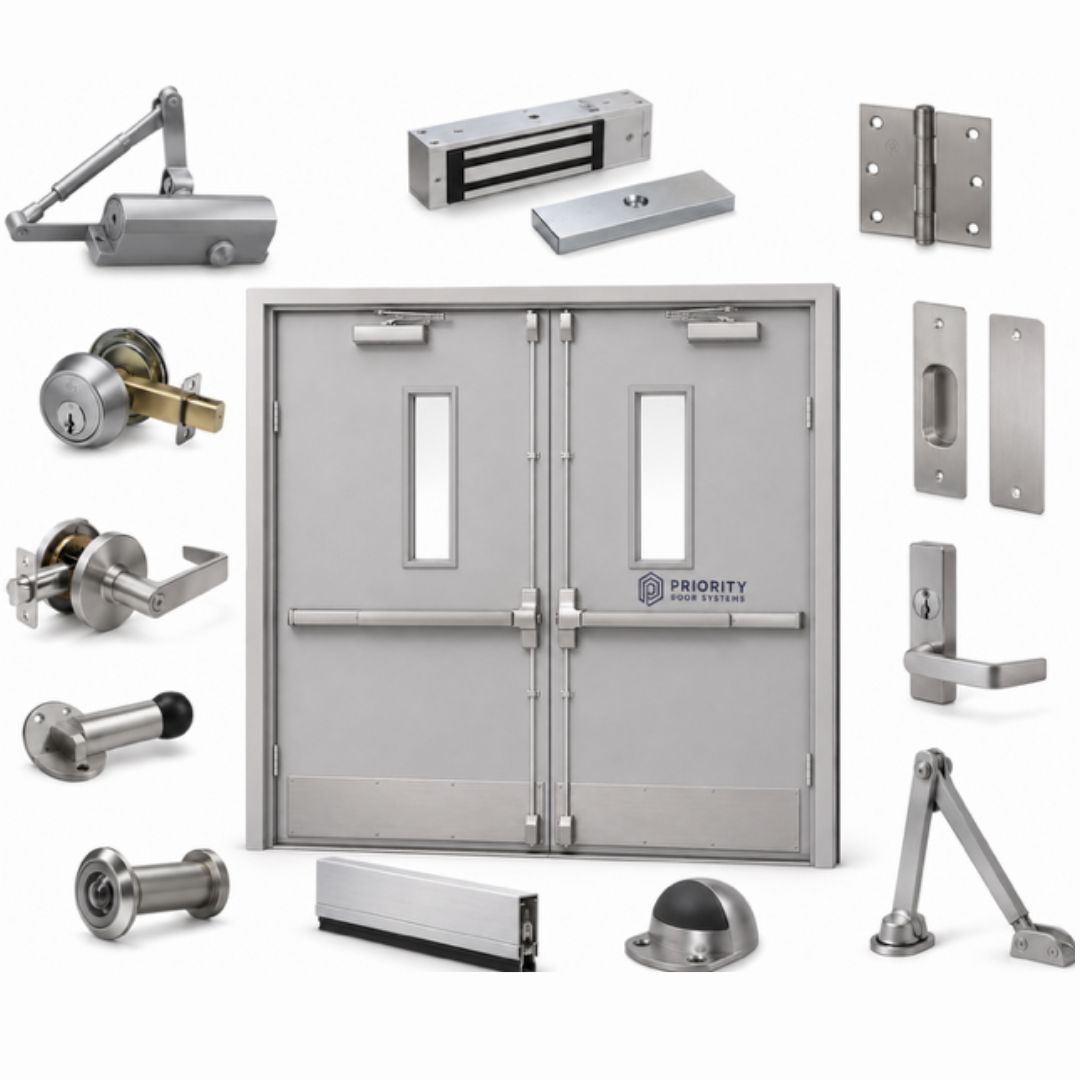
REPAIR, REPLACE & SELL COMMERCIAL HARDWARE
Knowing the hardware that you need can be something easily researched but other times you need a professional to diagnose the problems. Priority Door Systems can help.
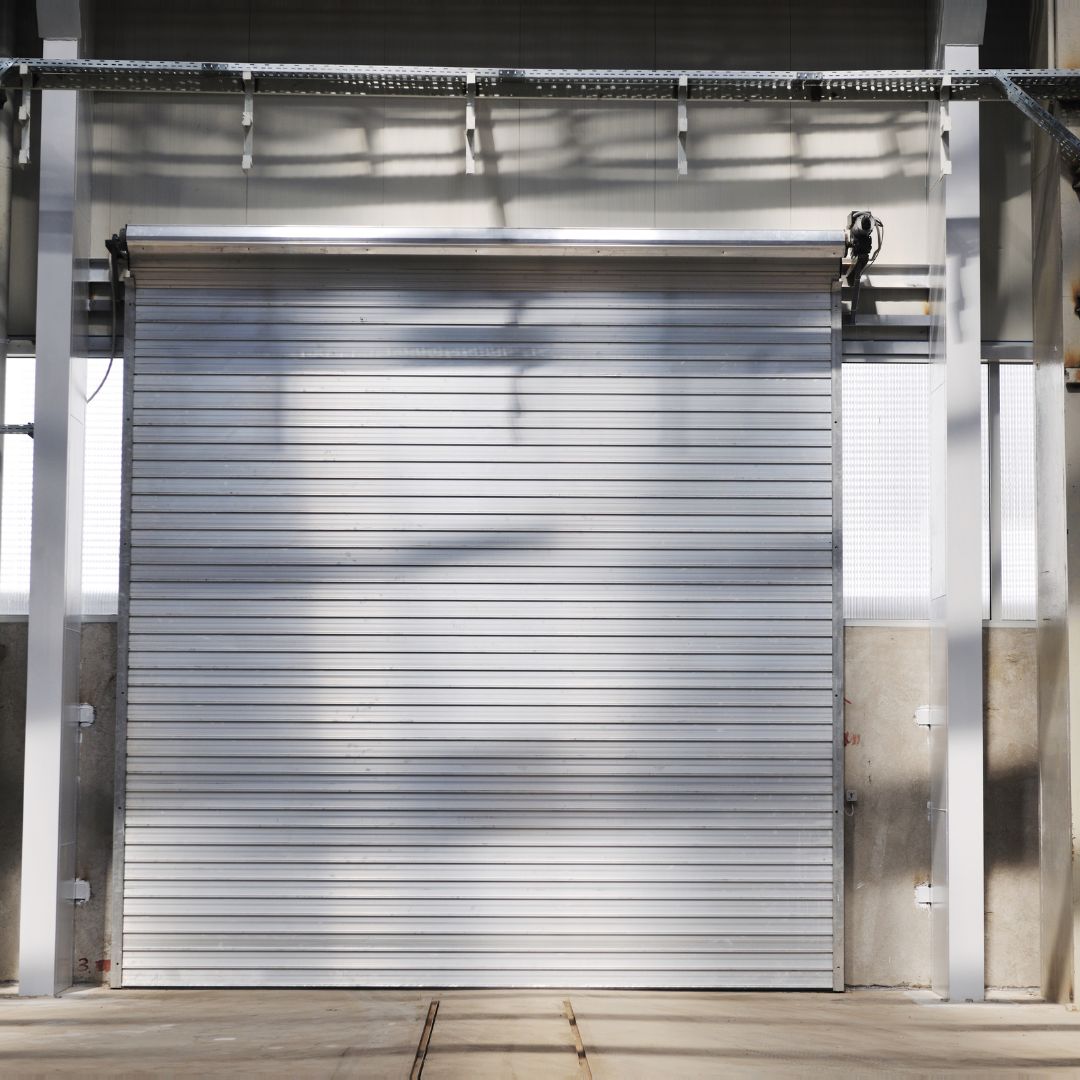
PREVENTATIVE MAINTENANCE
Regular inspection and maintenance can improve the reliability of your doors and decrease costs. We help ensure that we can extend the lifespan of all your commercial doors and hardware.