Hospital
DOORS
Expert Tips for Commercial Hospital Doors
Hospital door selection goes far beyond appearance. Healthcare facilities face stringent regulations from OSHA and the CDC that govern everything from infection control to fire safety. Research shows that up to 20% of hospital infections may stem from airborne bacteria and viruses, which means your door choices directly impact patient outcomes. Non-compliance with these standards creates costly fines, safety risks, and operational shutdowns. This is why it’s important to pick the right commercial door.
But what factors should guide your hospital door decisions? You need to balance fire resistance, antimicrobial properties, accessibility requirements, and durability. Each choice affects both regulatory compliance and daily operations. The wrong doors can compromise patient safety, while the right selections protect lives and reduce liability.
This guide provides expert insights on materials, automatic systems, specialty options, and critical safety standards. You’ll learn how to identify door solutions that meet both regulatory demands and operational realities in hospital environments.
Hospital Door Standards That Determine Compliance
Regulatory requirements create the non-negotiable framework for hospital door selection. Multiple agencies impose overlapping standards that control everything from fire containment to patient accessibility. Understanding these requirements prevents costly compliance failures and safety violations.
OSHA Safety Requirements for Hospital Doors
OSHA establishes fundamental safety standards that healthcare facilities must meet. Access points require safe, accessible design that supports rapid emergency evacuation. Exit doors cannot be locked in ways that prevent quick egress during crisis situations. Fire-rated doors must contain flames and smoke spread, while secure locking systems restrict unauthorized access to sensitive areas. Materials must withstand constant use without compromising structural integrity – a non-negotiable requirement under OSHA standards.
CDC Infection Control Guidelines
The CDC’s infection prevention protocols directly shape door specifications for healthcare environments. Compliant access panels require surfaces that clean easily and resist microbial growth. Doors play an active role in airflow management, helping maintain proper pressure differentials in isolation rooms. Maintenance procedures must minimize disruptions to sterile environments, particularly in operating rooms and intensive care units where contamination risks prove highest.
Fire Safety Codes and Certifications
Fire-rated door assemblies represent 49% of all acute care hospital citations, making them the most common compliance failure. The Centers for Medicare and Medicaid Services adopted the 2012 edition of NFPA 101 Life Safety Code in July 2016, which references the 2010 edition of NFPA 80. These standards mandate inspections after installation, after maintenance work, and annually. Full compliance with annual fire door assembly inspection and testing became mandatory by January 1, 2018. Fire-rated assemblies must include self-closing devices, positive-latching hardware, gaps no larger than one-eighth inch between door pairs, and floor clearance no greater than three-quarters inch.
ADA Accessibility Standards
The 2010 ADA Standards for Accessible Design establish minimum requirements for healthcare facilities. Accessible doors must provide at least 32 inches of clear width for wheelchairs and stretchers. Hardware cannot require more than 5 pounds of opening force and must operate with one hand without tight grasping, pinching, or twisting motions. Lever handles require mounting between 34 and 48 inches above floor level. Thresholds cannot exceed one-half inch height in new construction.
Door Types That Meet Hospital Operational Demands
Hospital environments require specialized door solutions matched to distinct operational zones. Each area presents unique challenges that demand specific door characteristics and performance standards.
Automatic Doors for High-Traffic Areas
Emergency departments and ambulance entrances depend on automatic sliding doors for speed and accessibility. These systems meet 72-inch clear door opening requirements for ambulance access while supporting emergency egress. Motion-activated operation eliminates touchpoints, reducing cross-contamination risks in high-volume entry points. Automatic swing door operators handle door panels up to 700 pounds, making them suitable for lead-lined applications.
Sliding Doors for Space Efficiency
Sliding systems maximize usable floor space in corridors, storage areas, and patient bathrooms. They move along tracks rather than swinging into rooms, proving particularly valuable in tight spaces. These systems generate less turbulence than swing doors, delivering better isolation control in negative pressure rooms. Telescoping door systems slide one panel over another to achieve wider openings within smaller framing dimensions.
Swinging Doors for Emergency Access
Double swing door hinges provide 100 degrees of motion in either direction, allowing staff to access barricaded rooms quickly. Anti-barricade systems incorporate emergency release stops that enable doors to open outward when blockages prevent normal operation. Panic bars can be installed for rapid exits, meeting hospital building code requirements.
Hermetic Doors for Sterile Environments
Hermetic sealing doors create airtight barriers with sealing performance up to 100 Pa. They restrict airflow and prevent bacteria spread between rooms, essential for operating rooms, intensive care units, and laboratories. The complete seal around the door leaf maintains strict cleanliness and air pressure control in cleanrooms rated to ISO 3 standards.
Fire-Rated Doors for Safety Zones
Fire doors resist flames for 30 or 60 minutes, containing fires within designated compartments. This compartmentation allows horizontal patient evacuation rather than full building evacuation. Magnetic hold-open devices release automatically during fire alarms, allowing doors to close and create smoke barriers.
Specialty Doors for Radiology and Operating Rooms
Lead-lined doors shield against radiation in diagnostic imaging rooms and cancer therapy facilities. Lead thickness ranges from 1mm (code 3) for dental applications to 3.55mm (code 8) for emergency medical centers. These doors can weigh between 1,200 to 40,000 pounds per leaf depending on shielding requirements.
Priority Door Systems specializes in automatic doors and hollow metal doors for healthcare facilities, delivering solutions that meet stringent hospital requirements.

What Materials Work Best for Hospital Door Applications?
Material choice determines whether your doors protect patients or become liability risks. Each material delivers specific advantages that match distinct healthcare environments, but the wrong selection compromises both safety and operational efficiency.
Stainless Steel for Maximum Durability and Hygiene
Stainless steel grades SS304 and SS316 create non-porous surfaces that prevent bacteria and pathogen absorption. These doors handle temperature fluctuations and frequent sterilization without deterioration, which makes them ideal for operating rooms, ICUs, and laboratories. Corrosion resistance ensures longevity even with repeated exposure to harsh cleaning chemicals and disinfectants.
The smooth surface eliminates hiding spots for contaminants while maintaining structural integrity under constant use.
Hollow Metal Doors for Fire Protection
Hollow metal stands as the only door material widely available with a 3-hour fire rating. Honeycomb cores hardened with resins deliver exceptional durability for heavy-duty hospital applications. Fire ratings span from 20 minutes for corridor smoke control to 3 hours for building separation walls.
This fire resistance creates the compartmentation that saves lives during emergencies.
High-Pressure Laminate for Antimicrobial Defense
HPL doors meet ISO 22196:2011 antibacterial test standards through medical-grade coatings. The scratch-resistant, smooth surface tolerates constant cleaning with disinfectants, chlorine-releasing agents, and alcohol-impregnated wipes. Built-in antimicrobial protection reduces infection risks in corridors and administrative areas.
Aluminum for Lightweight Strength
Aluminum combines strength with reduced weight, easing installation while maintaining structural integrity. Rust resistance and simple cleaning protocols make it suitable for high-traffic zones. The lightweight frame extends door lifespan without compromising durability.
Matching Materials to Room Functions
WPC provides moisture-proof, termite-proof, antibacterial surfaces for patient rooms and corridors. Glass reinforced polyester creates seamless, non-porous barriers for operating theaters and ICU environments where infection control proves paramount. Lead-lined materials shield radiology departments, while fire-rated cores protect emergency exits and stairwells.
Your material selection directly impacts patient outcomes. The right choice prevents infections, meets fire codes, and reduces long-term maintenance costs.
Priority Door Systems delivers automatic doors and hollow metal door solutions engineered specifically for healthcare facilities, ensuring your material choices align with both safety standards and operational demands.

How Do You Choose Hospital Doors That Actually Work?
Now that you have heard of the different types of doors, it’s important to consider how each option fits the specific needs, safety standards, and daily operations of your healthcare facility. This will help you choose the right door. It’s important that they align with operational realities, not just compliance checklists.
Know Your Facility’s Real Demands
Door weight impacts how staff navigate high-traffic zones. Emergency departments experience high-frequency, high-speed traffic where lightweight doors open quickly without causing strain injuries. Narrow doors complicate stretcher movement and fail NABH requirements. Regular swing doors in ICUs allow airborne particles to move freely, increasing cross-infection risks. Hermetically sealed doors with airtight properties maintain controlled airflow in critical care units.
Each zone demands different solutions. What works in administrative areas won’t meet operating room standards.
Make Cleaning and Maintenance Simple
Non-rated corridor doors require routine inspection as part of facility maintenance programs. Surfaces must tolerate repeated disinfection without harboring contaminants. Laminated doors absorb moisture and deteriorate quickly, compromising HVAC efficiency.
Your maintenance staff will thank you for choosing materials that actually stay clean. Complex surfaces create more work and higher infection risks.
Think Beyond Initial Purchase Price
Door warranties typically last 5 to 10 years, with some manufacturers offering lifetime coverage. Warranties cover defects in materials and workmanship but exclude improper installation damage.
Cheap doors become expensive problems. Factor in replacement costs, downtime, and compliance failures when calculating true value.
Get Installation Right the First Time
Improperly installed frames create operational and noncompliance issues difficult to correct without complete removal. Factory-trained personnel reduce installation problems significantly.
Installation mistakes cost more than material upgrades. Poor framing leads to operational failures and regulatory citations.
Plan Security Investments Early
Early security planning optimizes equipment for multiple functions, reducing costs. Delayed door upgrades until accreditation inspections lead to hurried purchases and failed compliance checks.
Waiting until inspection deadlines forces rushed decisions. Plan door upgrades as part of broader facility improvements.
Priority Door Systems provides automatic doors and hollow metal doors engineered for healthcare facilities, delivering solutions that meet your operational and safety requirements.
Making the Right Choice for Your Healthcare Facility
Overall, hospital door selection comes down to three critical factors: meeting safety standards, protecting patients, and supporting daily operations. OSHA, CDC, and fire codes set the baseline requirements, but your specific material and door type decisions determine whether your facility thrives or struggles with maintenance issues and compliance failures.
The right doors reduce infection risks, support emergency protocols, and withstand the demanding hospital environment. Poor choices create ongoing problems that affect both patient safety and operational costs. Your facility deserves door solutions that work reliably under pressure while meeting every regulatory requirement.
Priority Door Systems specializes in automatic doors and hollow metal doors engineered for healthcare facilities. Our solutions deliver the durability and hygiene standards your facility needs while ensuring full compliance with hospital requirements. Check out our services to find the perfect door systems for your healthcare environment.
More Services
We maintain, repair, prevent, replace, sell, install, inspect, and service ALL types of doors for Commercial and Industrial businesses.

SERVICE & INSTALL COMMERCIAL DOORS
Priority Door Systems has technicians to service or install all types of commercial and industrial doors. We are available for all businesses from the border to southern Riverside County.
REPAIR, REPLACE & SELL COMMERCIAL HARDWARE
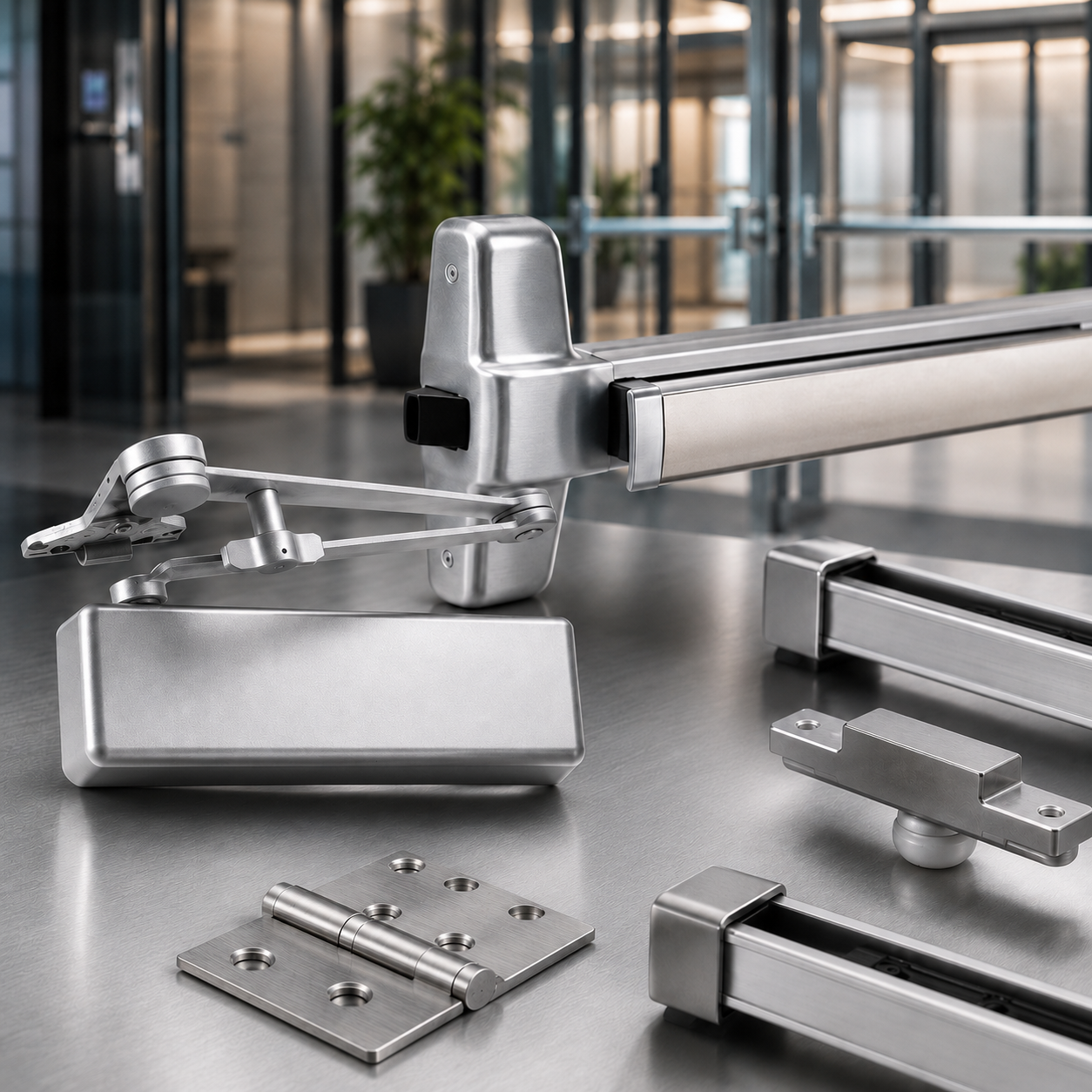
Knowing the hardware that you need can be something easily researched but other times you need a professional to diagnose the problems. Priority Door Systems can help.
PREVENTATIVE MAINTENANCE
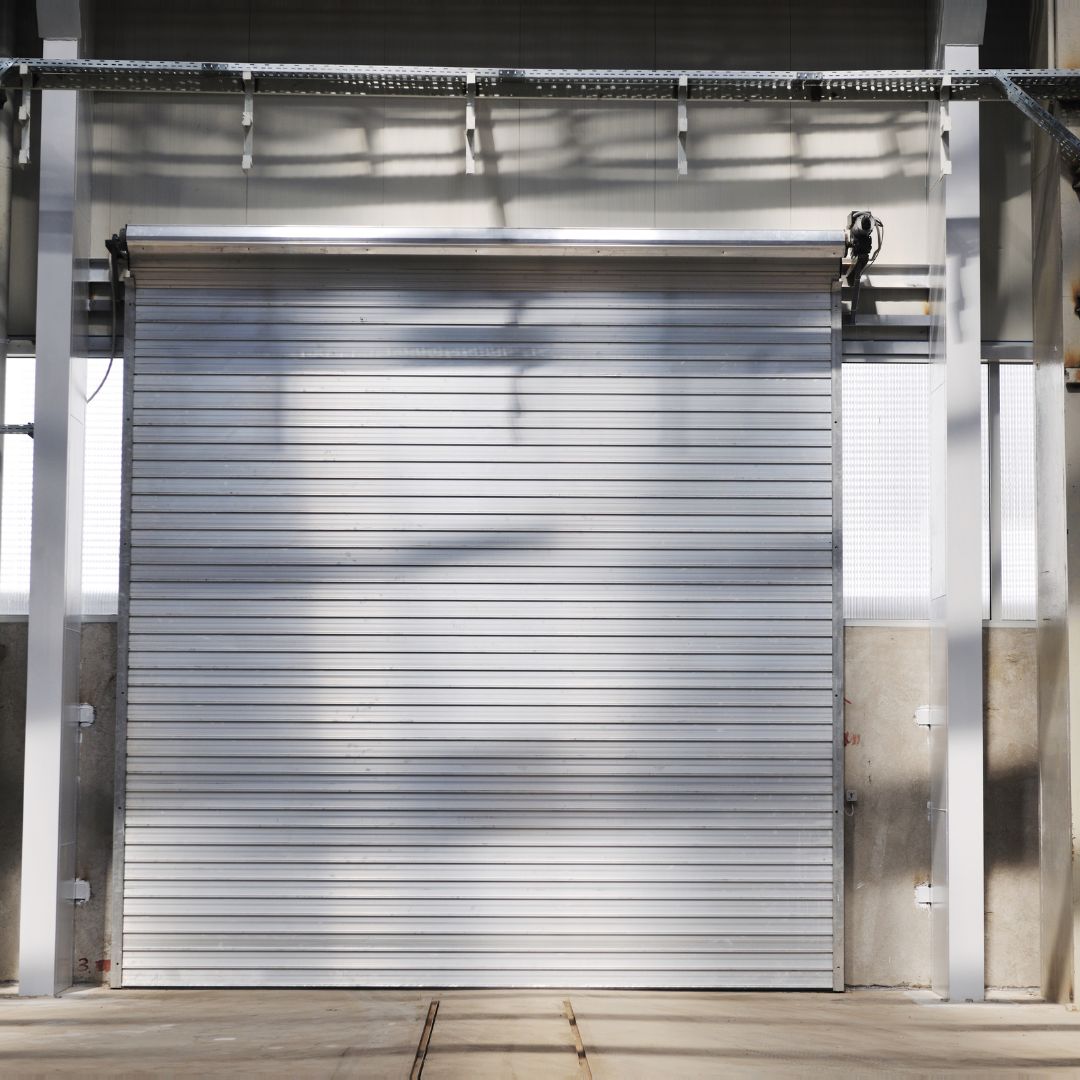
Regular inspection and maintenance can improve the reliability of your doors and decrease costs. We help ensure that we can extend the lifespan of all your commercial doors and hardware.