government
BUILDINGS
Best Commercial Doors for Government Buildings
Security is the top priority when selecting commercial doors for government buildings. Every entrance serves as the first line of defense against potential threats while also ensuring safe and efficient evacuation during emergencies. Government facilities face far greater demands than simply choosing doors that present a professional appearance. They require door systems engineered to resist forced entry, contain fire and smoke, and remain fully accessible to individuals of all abilities. The right commercial doors for government buildings must meet strict federal standards while performing reliably under daily high traffic and critical emergency conditions.
But how do you choose the right commercial doors when faced with complex security ratings, fire safety codes, and accessibility requirements? The stakes are high because the wrong door choice can compromise both security and safety, putting occupants at risk and leaving your facility vulnerable to threats.
This guide walks you through the essential knowledge you need to make informed decisions about government building doors. You’ll discover which door types deliver the security levels your facility requires, how to meet fire safety codes without compromising protection, and what installation and maintenance practices keep your doors performing reliably for years to come.
Types of Commercial Doors for Government Buildings
Government buildings demand door solutions that match their diverse security zones and operational requirements. Each door type addresses specific challenges, from public lobbies requiring visibility to restricted areas needing maximum protection.
Hollow Metal Doors
Hollow metal doors dominate government installations for good reason. These workhorses feature heavy-duty construction with 16 or 18 gage steel face sheets and cores filled with polystyrene, polyurethane, rigid honeycomb, or vertical steel stiffeners. The interlocking seams create structural rigidity that withstands years of heavy use.
Standard specifications call for 1-3/4 inch thickness with non-handed designs featuring reversible hinge plates. Performance levels range from Level 1 for standard duty up to Level 3 for extra heavy duty applications, with exterior doors typically requiring the highest Level 3 construction. When standard sizes won’t work, custom hollow metal doors accommodate specialized requirements that go beyond typical commercial specifications.
Steel and Fire-Rated Doors
Fire protection becomes critical when seconds count during emergencies. Fire-rated steel doors control the spread of fire and smoke for durations ranging from 20 minutes to 3 hours. Steel stands alone as the only door material capable of delivering a full 3-hour fire rating. Every fire-rated door must meet NFPA 80 requirements and carry labels from recognized testing agencies like UL, FM, or WHI.
The rating system matches door performance to wall requirements: 3-hour doors protect 4-hour walls separating buildings, 90-minute doors secure stairwell enclosures, and 20-minute doors provide corridor smoke control. All fire-rated openings require self-closing mechanisms and positive latching devices that engage automatically.
Glass and Aluminum Doors
Visibility and security don’t have to be mutually exclusive. Aluminum door systems maintain security standards while allowing visual monitoring of entry points. Bullet-resistant aluminum doors offer protection levels from UL 752 Level 1 through Level 8, stopping everything from common handgun fire to high-powered rifles. These systems ship factory-assembled with ballistic glazing already installed.
Storm-rated aluminum systems meet ICC 500-14 and FEMA P-361-15 requirements for tornado and hurricane shelters, including certification for 250mph wind zones. These same doors can integrate UL 752 bullet resistance levels 1-3 into a single assembly.
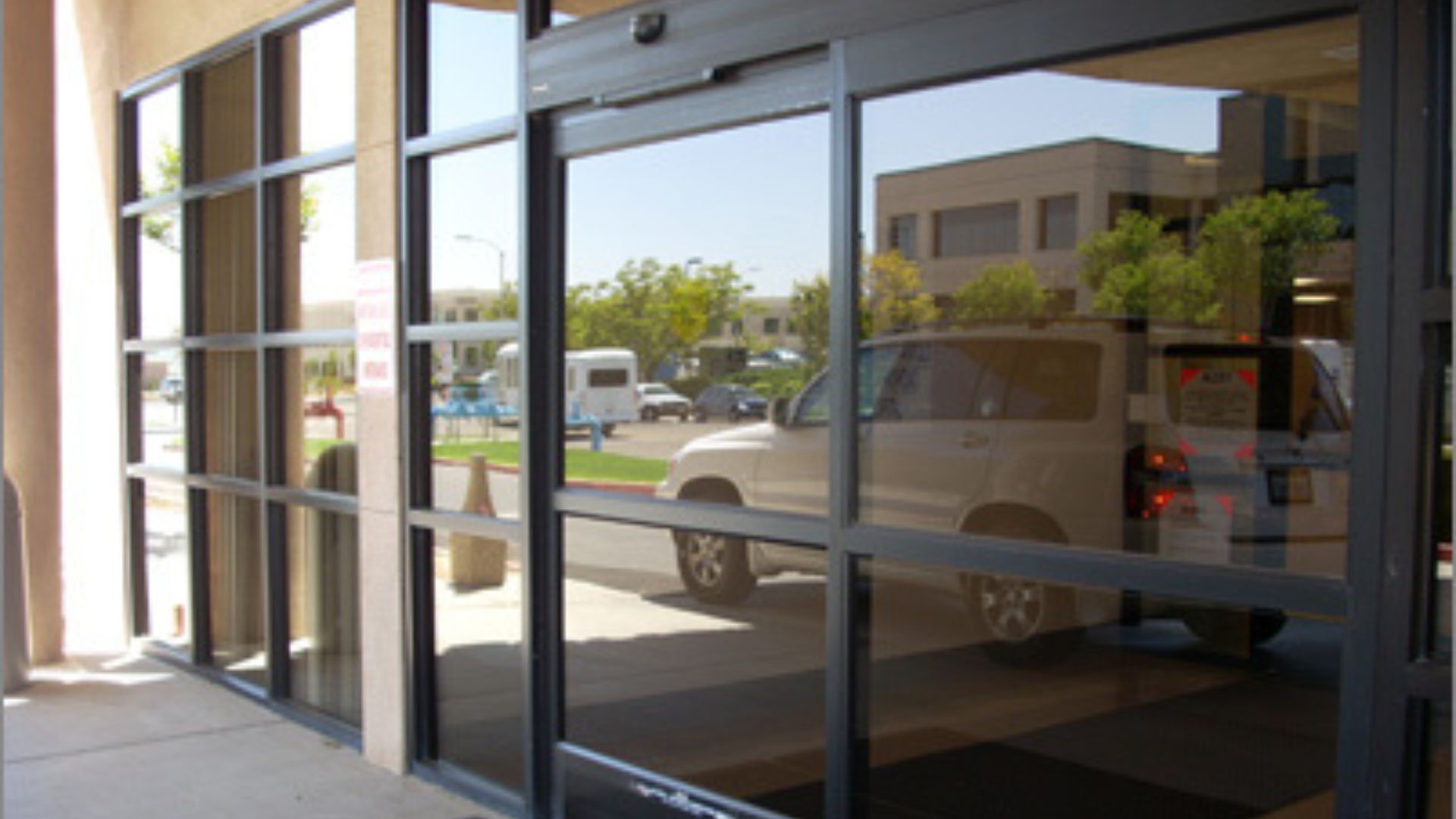
Automatic Sliding Doors
Touchless entry has become essential for modern government facilities. Automatic sliding doors offer complete customization with configurations including single slide, bi-part slide, telescopic, and bifold options. Industrial versions withstand abuse from heavy equipment and forklifts in loading areas.
Security features include delayed egress, uninterrupted power supply backup, recessed panic release, lock guards, armored strikes, and full breakout capabilities for emergency egress. Contamination-controlled versions serve sensitive biotech, pharmaceutical, and medical applications within specialized government facilities.
Revolving Doors
Energy efficiency meets security in revolving door systems that regulate pedestrian flow while minimizing air exchange between interior and exterior environments. These systems typically pay for themselves through energy savings within three to five years. The design prevents wind and drafts from entering buildings, reducing heating and cooling loads significantly.
Security applications benefit from controlled entry that restricts access to single individuals when door spacing is configured appropriately. Automatic revolving doors include breakout features that unlock individual panels from the central shaft during emergencies. High-capacity two-wing designs accommodate wheelchairs, stretchers, and large crowds.
High-Performance Doors
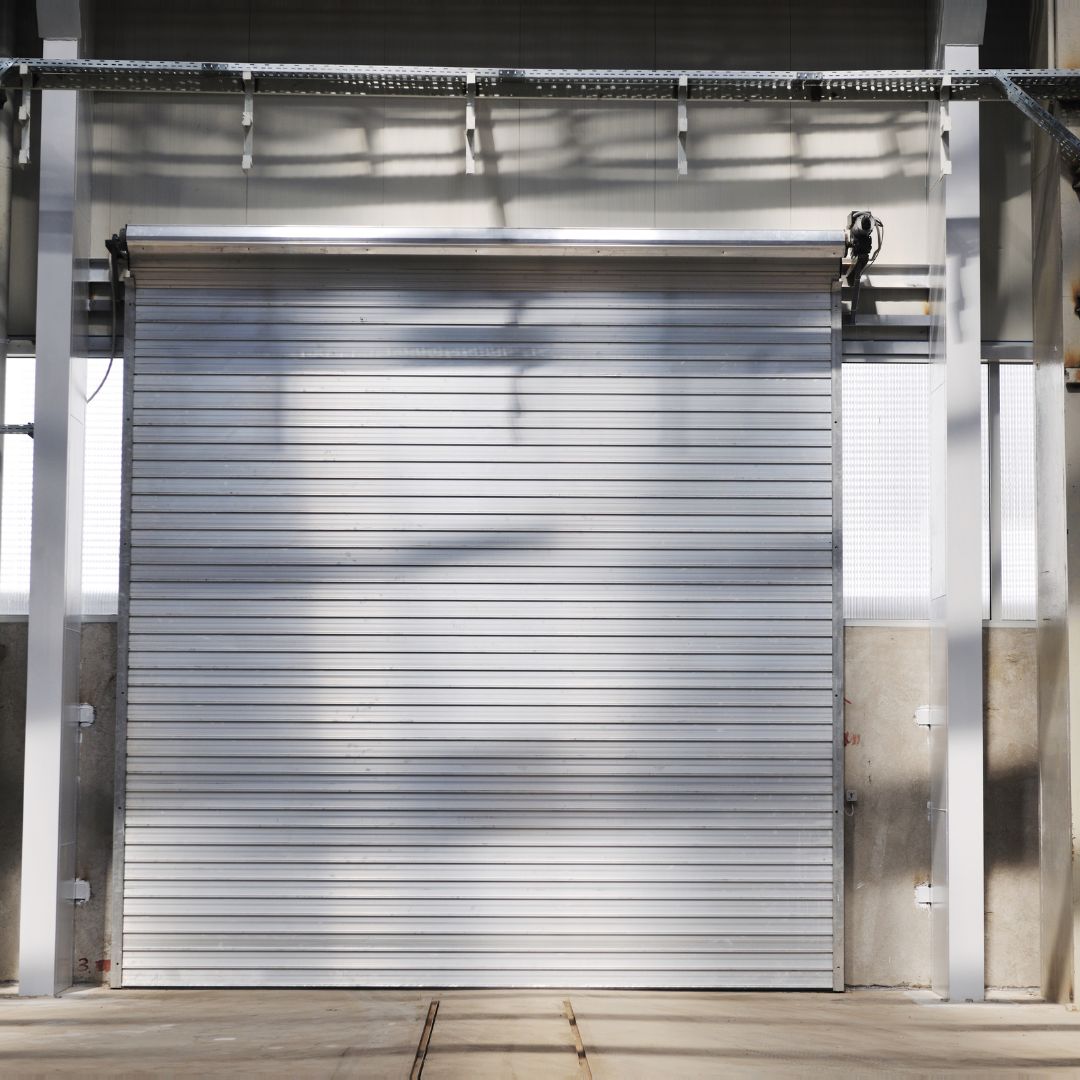
Some government facilities demand rapid access combined with extreme durability. Industrial-grade rolling doors achieve opening speeds up to 30 inches per second. Models engineered for emergency response exceed 1,000,000 operating cycles with minimal maintenance requirements.
Security-rated high-performance doors comply with U.S. Department of State Standard SD-STD-01.01 for forced entry resistance, providing protection for 5, 15, or 60 minutes according to federal regulations. These doors feature interlocking slats, reinforced locking mechanisms, and strengthened bottom bars that prevent lifting during breach attempts.
Security Requirements for Government Building Doors
Government buildings face threats that most commercial facilities never encounter. Your facility’s doors must defend against everything from organized attack attempts to sophisticated breach techniques while maintaining the accessibility and functionality that public buildings require.
The security challenge goes beyond simply installing heavy doors. Modern government facilities need integrated systems that authenticate users, resist physical attacks, and meet strict federal compliance standards. Each security layer builds upon the others to create protection that adapts to different threat levels throughout your building.
Access Control Integration
Physical Access Control Systems (PACS) serve as the digital gatekeepers for government facilities, authenticating employees, contractors, and visitors through electronic credential validation. Federal facilities must comply with FIPS 201 standards using Personal Identity Verification (PIV) credentials for building access. However, not all PACS components meet these strict requirements.
All agency-purchased PACS components require selection from GSA’s Approved Products List, where products undergo vulnerability and interoperability testing through the FIPS 201 Evaluation Program. This process ensures that every component can withstand both cyber and physical attack attempts.
PIV-enabled readers support multiple authentication modes including CHUID, CAK, PIV+PIN, and biometric verification to meet varying security assurance levels. Electronic access control solutions integrate with third-party platforms, offering scalable management across multiple doors and buildings. When emergencies strike, integration with alarm systems triggers lockdown protocols, secures every door, and alerts first responders automatically.
Reinforced Hardware and Locking Systems
The strongest door becomes worthless with weak hardware. High-security locks for government facilities incorporate precision key control, forced entry resistance, and tamper-proof mechanisms. GSA-approved locks undergo rigorous testing for manipulation, drilling, and forced entry resistance. SCIF locks meet ICD-705 specifications, preventing acoustic leakage, signal emanations, and physical breaches.
Mechanical locks feature restricted keyways, hardened steel components, and anti-pick mechanisms. Electronic locks support FIPS 201-3 compliance with weather-resistant, blast-rated, and tamper-resistant options for both perimeter and interior applications. The hardware must match or exceed the security rating of the door itself.
Security Rating Standards
LPS 1175 certification provides structured security ratings from SR1 to SR8, with each level representing different resistance capabilities based on tool types and attack duration. SR1 withstands 1 minute of attack time using basic hand tools, while SR8 requires 20 minutes of resistance against angle grinders, chainsaws, and demolition hammers. Products must resist access for the full required duration without allowing entry through any tested point.
Understanding these ratings helps you match door security levels to your facility’s specific threat assessment and risk tolerance.

Code Compliance and Fire Safety Standards
How do you ensure your government building doors meet the maze of federal regulations and safety codes? Fire safety and accessibility requirements aren’t suggestions… They’re mandatory standards that can determine whether your facility passes inspection and keeps occupants safe during emergencies.
At Priority Door Systems, code compliance and fire safety standards are built into every project from specification to final inspection. If your facility relies on automatic sliding doors, trust the team that San Diego businesses have depended on since 2005 for expert commercial door service and support.
Your door systems must satisfy multiple regulatory frameworks simultaneously.

Follow ADA Accessibility Standards
Adhere to Building Code Compliance Checkpoints
Meet Fire Door Requirements
Selecting the Right Door Based on Building Function
Your building’s layout tells you exactly which doors you need. Government facilities contain distinct zones, each with different threat levels, traffic patterns, and access requirements that determine door specifications.
Public Access Areas vs. Restricted Zones
The Door Security and Safety Foundation defines three security levels for building openings based on risk assessment. Each level addresses specific security challenges you’ll face in different building areas.
Level 1 (Basic) provides controlled access with secure latching and mechanical or electronic monitoring of door and latch position. Public lobbies, general meeting rooms, and visitor areas typically require this level. These doors suit low-risk zones where basic oversight suffices.
Level 2 (Intermediate) requires electronic access control with mandatory monitoring of both door and latch positions. Administrative offices, records storage, and staff work areas need this security level. You get detailed access logs without the expense of extreme security measures.
Level 3 (High) specifications demand outward-swinging doors with UL-rated bullet-resistant construction and electronic access control. Monitoring must track door position and latch status at minimum. Server rooms, classified document storage, and critical infrastructure areas require this level.
What about accessibility requirements? Public buildings must make at least 60% of public entrances accessible. Entrances serving restricted areas on a controlled basis require at least one compliant door beyond accessible public entrances.
High-Traffic Entrances and Corridors
Corridor and main passageway doors face unique challenges in government buildings. These openings handle constant movement of staff, visitors, and equipment while maintaining security and life safety functions.
Cross-corridor doors typically remain locked during business hours with free access and egress by actuators. After hours, access requires valid credentials. Magnetic door holders must connect to the fire alarm system, releasing automatically upon fire signals.
High-quality doors, frames, and hardware maintain fire codes while creating separation points during emergencies. Here’s something often overlooked: damage to these openings can compromise fire resistance ratings. Durability directly impacts safety performance.
Emergency Exit Requirements
Government facilities must provide adequate emergency egress meeting OSHA and NFPA standards:
- Minimum quantity: At least two exit routes required, located as far apart as practical
- Clear width: Exit access must be at least 28 inches wide at all points
- Door specifications: Emergency exit doors require minimum 32 inches clear width when fully opened
- Swing direction: Doors must swing in exit direction when serving 50+ occupants or high-hazard areas
- Unlocking requirements: Exit route doors must unlock from inside without devices that could restrict use if they fail
- Travel distance: Buildings without sprinklers limit travel distance to 150 feet; sprinklered buildings allow 200 feet maximum
Ultimately, selecting the right doors for a government facility means aligning security levels, accessibility requirements, fire protection standards, and traffic demands with each specific area of the building. From public entrances to high-security restricted zones and critical emergency exits, every opening plays a vital role in protecting occupants and maintaining compliance. At Priority Door Systems, we carefully evaluate your facility’s layout and risk profile to recommend and install door solutions that meet federal standards while supporting daily operations.
Installation and Long-Term Maintenance Considerations
Now that you know all about what to consider when choosing the right commercial doors for government buildings, there is the installation and long-term maintenance to consider. Investing in commercial doors for government facilities goes far beyond the initial purchase. True value is realized only when proper installation and ongoing maintenance protect both security and life-safety performance for years to come.
Professional Installation Standards
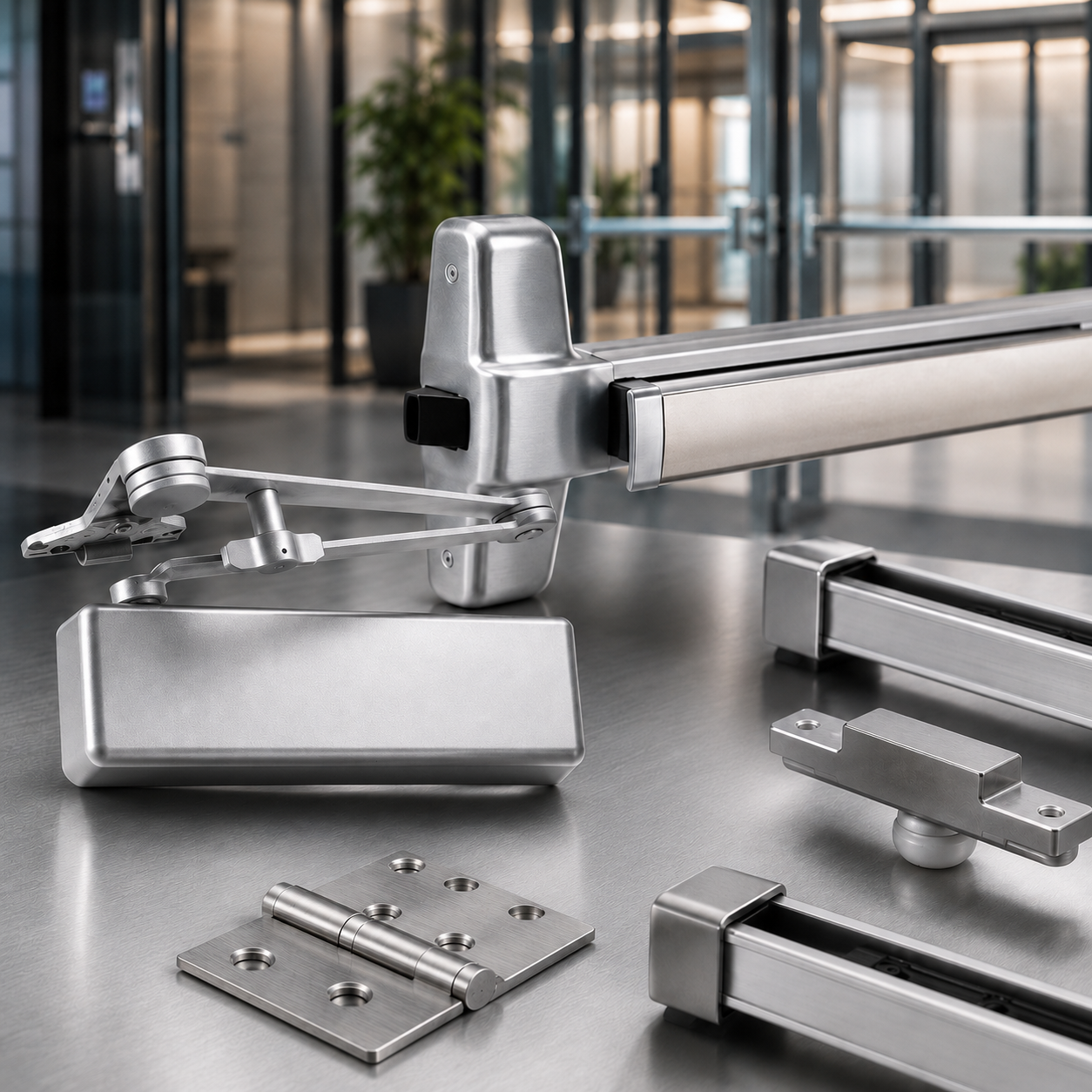
Government building doors demand precise installation that integrates multiple security systems. A complete commercial door setup requires proper hardware integration including locks, closers, panic bars, and hinges. Modern government facilities demand integration with access control systems, video surveillance, and building automation platforms.
Door misalignment represents the most common installation failure. This seemingly minor issue creates operational problems like sticking, air leakage, reduced energy efficiency, and accelerated hardware wear. Inexperienced installers may offer lower upfront costs but typically result in higher repair expenses over time. Improper installation can void manufacturer warranties.
Professional installers understand the critical relationship between door alignment and system performance. They ensure proper clearances, verify hardware functionality, and test integration with building systems before completing the installation.
Routine Inspection Requirements
NFPA 80 mandates fire door inspections immediately after installation and annually thereafter, with inspection windows between 9 and 15 months. Qualified personnel must verify 13 specific components during each inspection. Inspection records require retention for at least three years.
These inspections protect your facility’s occupants and ensure continued code compliance. Third-party inspections typically cost $50 to $150 per door, with hourly rates ranging from $100 to $200 depending on credentials and market conditions. The investment in regular inspections prevents far costlier emergency repairs and potential liability issues.
Failed inspections often reveal problems that compromise both security and safety performance. Regular maintenance addresses these issues before they escalate into expensive system failures.
Budget Planning for Lifecycle Costs
Smart procurement considers total ownership costs rather than just purchase price. Lifecycle cost analysis accounts for acquisition, ownership, maintenance, and disposal expenses. Systems with higher initial costs often provide lower lifecycle costs through reduced maintenance and longer service life.
Factor in replacement timing based on expected system life when calculating total ownership costs. Government facilities benefit from door systems that maintain performance standards for decades, not just years. Quality doors with proper maintenance can serve government buildings reliably for 20-30 years, making the initial investment worthwhile.
Plan maintenance budgets that include annual inspections, hardware adjustments, and periodic component replacement. This proactive approach prevents emergency failures that disrupt operations and compromise security.
Conclusion
Government building security starts with the right commercial doors. Your facility’s protection depends on matching door types to specific security levels, meeting fire safety requirements, and planning for long-term performance. With expert installation and code-compliant services from Priority Door Systems, your facility gains more than just doors. You gain long-term reliability, regulatory confidence, and the assurance that your security and life-safety systems will function when they matter most.
More Services
We maintain, repair, prevent, replace, sell, install, inspect, and service ALL types of doors for Commercial and Industrial businesses.

SERVICE & INSTALL COMMERCIAL DOORS
Priority Door Systems has technicians to service or install all types of commercial and industrial doors. We are available for all businesses from the border to southern Riverside County.
REPAIR, REPLACE & SELL COMMERCIAL HARDWARE
Knowing the hardware that you need can be something easily researched but other times you need a professional to diagnose the problems. Priority Door Systems can help.
PREVENTATIVE MAINTENANCE
Regular inspection and maintenance can improve the reliability of your doors and decrease costs. We help ensure that we can extend the lifespan of all your commercial doors and hardware.