STOREFRONT DOOR
Repairs
A storefront door that won’t close properly is usually caused by one of five issues: a failing or misadjusted door closer, worn or loose hinges, frame or door misalignment, a damaged or dirty threshold, or a malfunctioning exit device or lockset. Door closers are the most common culprit, often due to leaking hydraulic fluid or incorrect speed adjustment. Minor issues like loose hinges or threshold debris can sometimes be fixed on-site, but problems affecting fire-rated doors or emergency exits should be repaired immediately to maintain code compliance. Priority Door Systems diagnoses and repairs storefront door closing issues quickly, using code-compliant parts from leading commercial hardware manufacturers. Contact our team for a fast inspection and repair.
Dealing With Storefront Doors
A storefront door that won’t close all the way isn’t just an annoyance. It’s a security risk, an energy drain, and in many cases, a code violation. If your commercial entrance is sticking, swinging open, slamming, or refusing to latch, the cause is usually traceable to one of a handful of common hardware issues.
At Priority Door Systems, we troubleshoot and repair storefront door problems for commercial properties every day. Here’s a breakdown of the most common causes and how to fix them.
Common Storefront Door Issues
1. A Failing or Misadjusted Door Closer
The door closer is the most common culprit behind a door that won’t close. Over time, the hydraulic fluid inside a closer can leak or break down, causing the door to swing too fast, too slow, or stop short of latching.
Signs of a closer problem:
- The door slams shut instead of closing gently
- The door stalls a few inches before reaching the frame
- Visible fluid leaking from the closer body
- The door doesn’t fully latch even after several attempts
The fix: Many closer issues can be resolved by adjusting the closing speed and latch speed valves. If the closer is leaking fluid or the arm is bent or loose, it typically needs to be replaced rather than repaired.
2. Worn or Loose Hinges
Commercial doors are heavy, and hinges absorb constant stress every time the door opens and closes. Worn, loose, or misaligned hinges — including continuous geared hinges common on storefront doors — can throw the entire door out of alignment, preventing it from closing squarely into the frame.
Signs of a hinge problem:
- The door sags or drags on the floor
- Visible gaps between the door and frame on one side
- Squeaking or grinding when the door moves
The fix: Tightening loose hinge screws is sometimes enough, but stripped screw holes or worn hinge pins usually call for hinge replacement. Continuous hinges should be checked for proper alignment along their full length, not just at the top and bottom.
3. Frame or Door Misalignment
Buildings shift over time, and storefront frames are no exception. Settling, temperature swings, and repeated door slamming can all cause the frame to warp slightly, throwing off the alignment between the door and the strike plate or latch.
Signs of a misalignment problem:
- The door appears to close but doesn’t fully latch
- You need to lift, pull, or push the door to get it to close
- The latch and strike plate don’t line up visually
The fix: Minor misalignment can often be corrected by adjusting the hinges or shimming the frame. More significant frame warping may require a professional assessment to determine whether the frame itself needs repair or replacement.
4. A Damaged or Dirty Threshold
Debris, ice, worn weatherstripping, or a bent threshold at the bottom of the door can physically block the door from swinging shut completely — a problem that’s easy to overlook but common in high-traffic storefronts.
Signs of a threshold problem:
- The door drags or catches near the bottom
- Visible debris, gaps, or wear along the threshold
- Drafts or daylight visible under the closed door
The fix: Clear debris and inspect the threshold and weatherstripping for damage. A bent or worn threshold should be replaced to restore a proper seal and allow the door to close fully.
5. A Malfunctioning Exit Device or Lockset
If your storefront door has a panic exit device or lockset, a misaligned or worn latch mechanism can prevent the door from securing properly even if it physically swings shut. This is a serious life-safety issue, since panic hardware must function reliably for emergency egress.
Signs of an exit device problem:
- The latch doesn’t extend fully into the strike
- The door appears closed but isn’t secured
- The exit device feels loose, sticky, or difficult to operate
The fix: Latch and strike alignment can often be adjusted on-site. Worn internal components or damaged latch mechanisms usually require replacement parts from the original manufacturer to maintain code compliance.
When to Call a Professional
A door that won’t close properly should never be ignored. An unsecured storefront entrance puts your inventory, employees, and customers at risk, and can also violate fire and life-safety codes if it affects an emergency exit. While some fixes, like clearing debris or tightening visible screws, are simple enough to do yourself, most closing problems involve hardware that needs precise adjustment or professional-grade replacement parts.

Frequently Asked Questions
Why won’t my commercial door close all the way?

The most common causes are a failing door closer, worn or loose hinges, a misaligned frame, debris or damage at the threshold, or a worn latch mechanism on the exit device or lockset. A professional inspection can quickly identify which component is causing the issue.
Can I adjust my own door closer?
Most door closers have visible adjustment valves for closing speed and latch speed, which can sometimes be turned with a small screwdriver. However, incorrect adjustments can cause the door to slam or fail to latch, so it's best to have a professional handle anything beyond minor tweaks.
Is a storefront door that won’t close a fire code issue?
It can be. If the affected door is part of a fire-rated assembly or serves as an emergency exit, it must close and latch fully to meet fire and life-safety codes. A malfunctioning door on a rated opening should be repaired immediately.
How much does it cost to fix a storefront door that won’t close?
Cost depends on the cause. Adjusting a closer or tightening hinges is typically inexpensive, while replacing a closer, hinge set, or exit device costs more. A professional diagnosis will identify the exact repair needed before any work begins.
How quickly can Priority Door Systems repair a storefront door?
We prioritize response times for doors that affect security or emergency egress, since a malfunctioning entrance creates risk for your business. Contact our team to schedule a prompt inspection and repair.
Why Work with Priority Door Systems
Priority Door Systems diagnoses and repairs storefront door issues quickly and correctly the first time. Our team brings:
- Hands-on expertise with leading commercial hardware brands, including door closers, hinges, exit devices, and thresholds
- Fast, accurate diagnosis of closing, latching, and alignment issues
- Code-compliant repairs that protect your security and life-safety obligations
- Responsive, professional service that minimizes downtime for your business
Whether you’re upgrading a single storefront entrance or specifying hardware for an entire commercial campus, our team can help you choose, source, and install the right hardware the first time.
Contact the Priority Door Systems team today for a consultation to find out how to deal with your storefront doors. You can also call us at 760-233-5037.
More Services
We maintain, repair, prevent, replace, sell, install, inspect, and service ALL types of doors for Commercial and Industrial businesses.

SERVICE & INSTALL COMMERCIAL DOORS
Priority Door Systems has technicians to service or install all types of commercial and industrial doors. We are available for all businesses from the border to southern Riverside County.
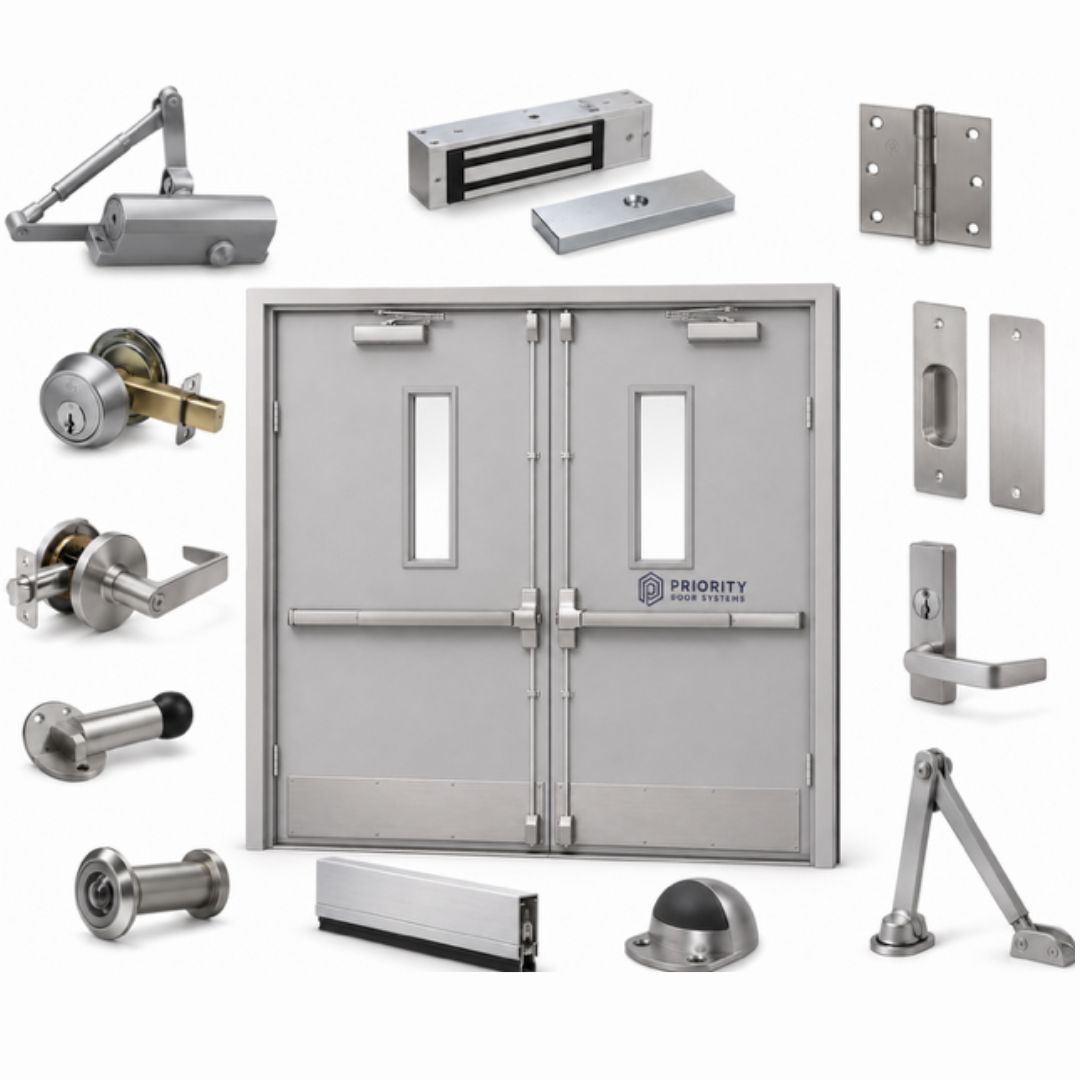
REPAIR, REPLACE & SELL COMMERCIAL HARDWARE
Knowing the hardware that you need can be something easily researched but other times you need a professional to diagnose the problems. Priority Door Systems can help.
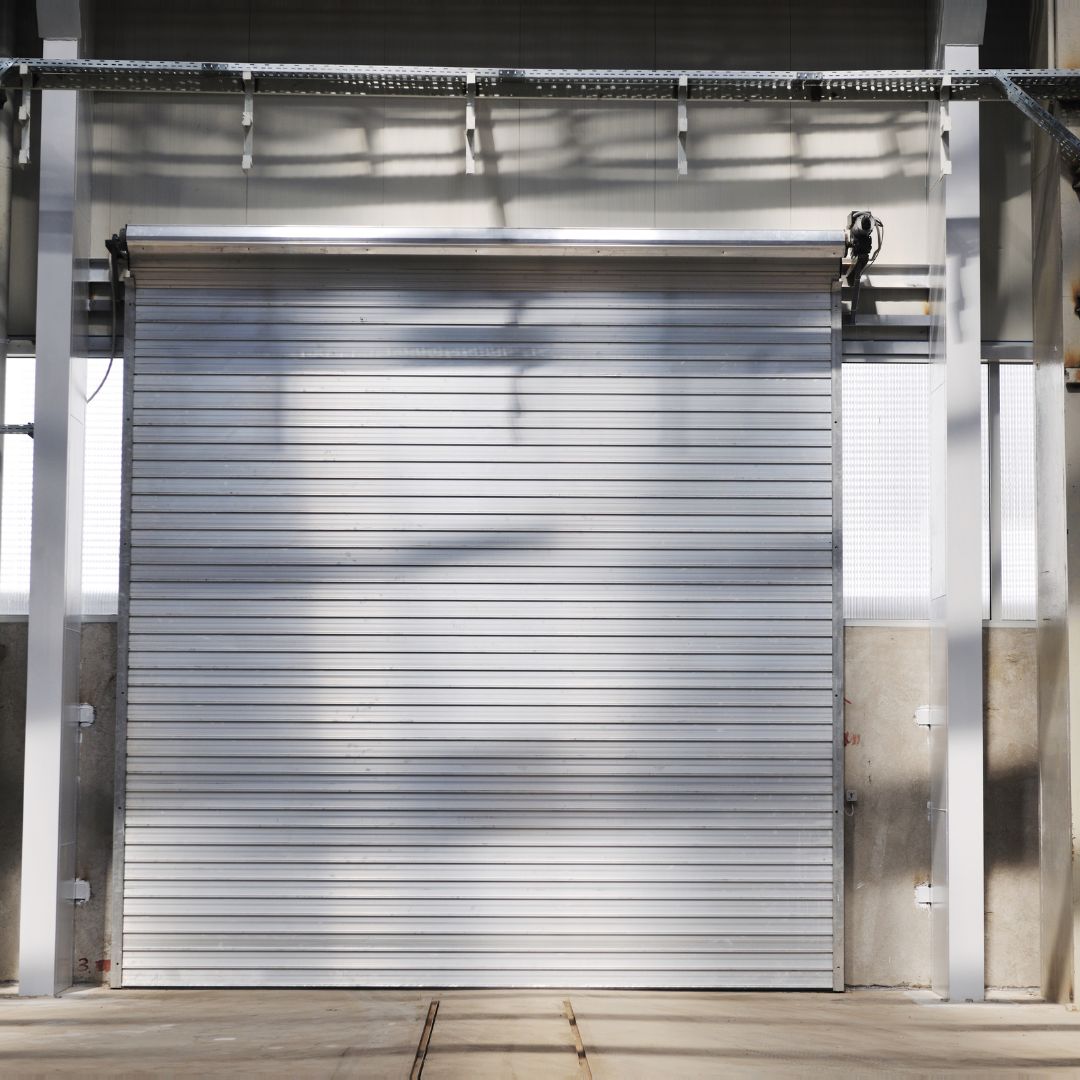
PREVENTATIVE MAINTENANCE
Regular inspection and maintenance can improve the reliability of your doors and decrease costs. We help ensure that we can extend the lifespan of all your commercial doors and hardware.